.png)
The Hidden Reality of Wage Theft Among Immigrant Workers in New York
Published: 05:39 AM, 27 December 2025
Abdul Jabbar sits on a bench along the sidewalk near a McDonald’s across from a church in Brooklyn. Around him, the city rushes past—cars honk, engines roar, pedestrians blur into motion. Yet amid the noise and speed of New York, he is utterly alone.
Fatigue lines his face. Fear lingers in his eyes. An uncertain future hangs heavily over him.
When asked what happened, he pauses. Then, softly, with tears welling up, he begins to speak.
“I don’t have a job anymore. I have a family—two small children. But I have no money in my hands.”
In New York City, work is survival. Losing a job often means losing housing, food, healthcare, and stability—all at once.
Until recently, Abdul Jabbar worked at a neighborhood grocery store. His hourly wage was eight dollars. He worked ten to twelve hours a day. There was no overtime pay. No pay stub. No written agreement.
“I was new, so everything was hard,” he says. “I asked them to raise my pay. They fired me instead.”
Under New York State and City labor law, the minimum wage is $16 per hour, and any work beyond forty hours a week requires overtime pay. Abdul Jabbar earned less than half of what the law guarantees.
His story is not an exception. It is a pattern.
Working Without Protection
David works at a gift shop on 42nd Street in Manhattan. He crossed the U.S. border from Peru two years ago. He works six days a week, nine hours a day.
“They pay me ten dollars an hour,” he says. “Overtime is the same rate. It’s not enough to live, but I have no choice.”
According to legal wage standards, David should have earned roughly $66,000 over two years, including overtime. Instead, he earned about $41,000.
That is a loss of nearly $25,000—from one worker, at one small business.
This is not an isolated incident. It is systemic wage theft.
A Workforce Built on Immigrants
According to a 2023 report by the Office of the New York State Comptroller, 44.3 percent of New York City’s labor force is foreign-born. A separate estimate from the New York City Comptroller’s Office puts the figure even higher—46 percent, one of the highest proportions among major U.S. cities.
Immigrant labor powers New York’s grocery stores, restaurants, delivery services, construction sites, and cleaning companies. Yet immigrant workers are also the most likely to experience wage theft, unpaid overtime, and labor law violations.
Cash Pay, No Records
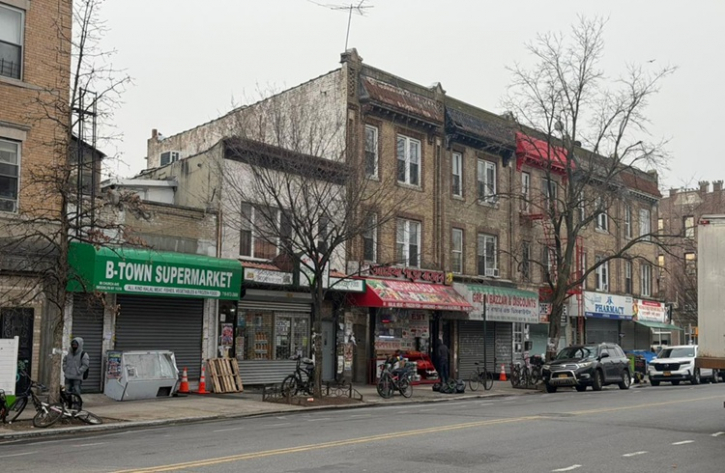
Reporting across Queens, the Bronx, and Brooklyn reveals a consistent pattern: many small businesses pay workers entirely in cash.
- There are no time cards.
- No pay stubs.
- No written wage notices.
This practice directly violates New York’s Wage Theft Prevention Act, which requires employers to provide written pay notices and detailed wage records.
Without documentation, workers become legally invisible—even when they work full-time.
One business owner, who asked not to be named, defended the practice.
“Our business is struggling,” he said. “We can’t afford to pay sixteen dollars. We pay ten or eleven, but we give more hours.”
Labor experts say financial hardship does not excuse breaking the law.
The Wall of Fear
Despite widespread abuse, most workers never file complaints.
Anthony, who works at a Manhattan shop, explains why.
“If I complain, I could be blacklisted,” he says. “There could be immigration problems.”
Fear—of retaliation, job loss, or immigration consequences—keeps workers silent.
What Labor Advocates Say
According to labor rights organizations, fear—not the absence of law—is the core problem.
Mezbah Uddin, president of the Alliance of South Asian American Labor (ASSAL), says his organization has confronted these issues for years.
“We have been working on wage theft and labor exploitation among immigrant workers for a long time. But the biggest problem is fear,” he said. “Workers are afraid to file complaints. They fear retaliation by employers, and many are afraid of government systems. The real question is how an ordinary worker can safely speak out without fear. Until that fear is addressed, the law will exist—but it will not be enforced.”
Women Face Additional Risks
Female immigrant workers face even greater vulnerability. Reporting shows they are more likely to earn lower wages, work unpredictable hours, and fear job loss if they speak out. Some also face harassment and intimidation in the workplace.
Most remain silent.
Where Is Enforcement?
Under New York law, all workers—regardless of immigration status—are entitled to minimum wage and overtime protections. Enforcement responsibility lies with the New York State Department of Labor and the New York City Department of Consumer and Worker Protection.
Both agencies were contacted for comment. No written response was received by the time of publication.
That silence raises a critical question:
If the laws exist, why do workers remain unprotected?
A City of Opportunity—for Whom?
New York is often called the city of opportunity.
But the workers who cook its food, clean its buildings, stock its shelves, and deliver its goods are often excluded from that promise.
This story is not only about labor. It is about immigration, economic justice, public policy, and human rights.
If New York truly wants to be a fair city, it must protect the labor on which it stands.
.png "Advertisement")