.png)
Taliban in EU, a new turn in world diplomacy
Published: 07:39 PM, 15 July 2026
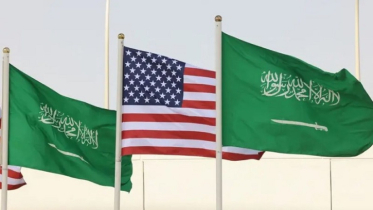
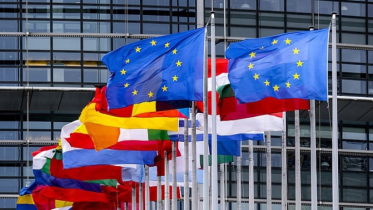
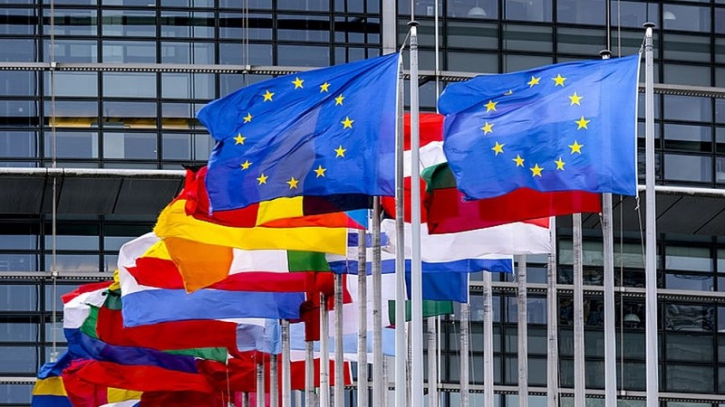
A closed-door meeting between Afghan ruling leaders and European Union (EU) officials was recently held in Brussels, the capital of Belgium. This is the first time that a delegation of the current Afghan rulers has held talks with the EU in Brussels.
Diplomatic experts believe that the Taliban is gradually trying to gain a place in European diplomacy. For this, their first target is to increase access to European diplomatic missions. Experts are seeing a change in Western diplomatic strategy in this incident.
They believe that the Taliban's presence in Brussels indicates a new turn in world diplomacy. The meeting focused on the 'dignified return' of war-torn Afghan citizens. The Afghan government called the meeting on June 23 'historic'.
According to the AP report, both sides are emphasizing confidence-building measures in the talks. The Taliban's diplomatic presence in the EU is being viewed as somewhat positive.
According to the European Commission, representatives from 15 of the 27 EU countries participated in the meeting. They want to facilitate the process so that Afghan citizens involved in various criminal activities in different European countries can easily return home.
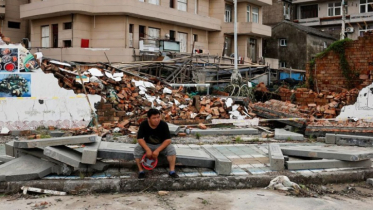
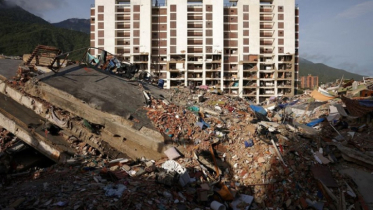
The Taliban came to power in Afghanistan after defeating the US-led forces in 2021. Since then, they have imposed severe restrictions on civil rights, especially on women's education.
Controversy over the Taliban's presence in the EU: Not a single EU country has recognized the Taliban government. As a result, the Taliban has been in diplomatic isolation for a long time. However, the Brussels meeting is a crack in that isolation.
Since coming to power, Afghan leaders have been quietly increasing their access to European diplomatic missions. Although the visas that Taliban leaders received for that meeting were valid for only 24 hours. Moreover, the visa did not allow travel anywhere else.
Belgian Foreign Minister Maxime Privé said that Belgium was complying with the EU's request to grant visas to Taliban representatives. The meeting did not mean recognition of the Taliban.
A European Commission spokesman said that the meeting was held in response to pressure from a clear majority of EU countries. Commission spokesman Markus Lammert said that the return of Afghan citizens was discussed. This does not mean recognition of the Taliban.
Belgian Immigration Minister Annelien Van Bossuet made a statement before the meeting. In it, she said, "We can no longer maintain the stalemate. This is the right time to take firm and joint action. So that Europe can regain control over migration and security."
Taliban seizes the opportunity: EU policy media network Euroactive wrote that the Taliban used the visit to Brussels to put pressure on EU officials to reopen consular services for Afghans across Europe.
“We are discussing steps to re-establish a comprehensive range of consular services for Afghans in the EU region,” Abdul Qahar Balkhi, a spokesman for the Taliban government’s foreign ministry, told Euroactive. “We want to create a positive momentum to secure the consular rights of Afghans living abroad.”
A European Commission spokesperson said the discussions focused on identifying, issuing travel documents and deporting Afghans involved in criminal activities in Europe.
Swedish Immigration Minister Johan Forsell told Euronews that Afghans who have been rejected for asylum are serious criminals. There are around 200 such Afghans awaiting deportation in Sweden.
How many Afghan citizens are there in which European country: According to European national data, there are 4.3–4.5 lakh in Germany, 80–90 thousand in Austria, 60–70 thousand in France and Sweden, 50–60 in the Netherlands, 25–30 in Belgium, 25–30 in Norway, around 20 thousand in Denmark, 10–12 thousand in Finland and 20–30 thousand in Italy.
In addition, there are 80 thousand to around 100 thousand Afghan citizens in the UK. European governments are considering sending them back, against whom there is evidence of various criminal activities. For this, the EU has called the Taliban to Brussels.
What human rights activists say: According to a Reuters report, human rights organizations have condemned the incident as an attempt to legitimize Islamists. However, the EU has supported it as a step to facilitate the repatriation of failed asylum seekers.
However, Afghan rights activist and Nobel Peace Prize winner Malala Yousafzai has expressed her anger at Europe's move. After the meeting, she said she was deeply shocked to learn that the EU was negotiating with the Taliban. In a post on social media, she wrote that Europe should not legitimize a regime responsible for one of the world's worst human rights crises. Any engagement with the Taliban must begin and end with the rights of Afghan women and girls.
Fereshta Abbasi, a researcher at Human Rights Watch, believes that protecting human rights and accountability must be prioritized in any negotiations with the Taliban. Exiled Afghan citizens should not be put in danger.
She said that on the one hand, the EU is condemning the Taliban's actions and demanding accountability, while on the other hand, it is undermining its own credibility by forcibly handing over Afghan citizens to the Taliban.
Former UNHCR Chief of Policy Development and Evaluation and
.png "Advertisement")