.png)
Four million people displaced in Iran and Lebanon
Published: 05:38 PM, 27 March 2026
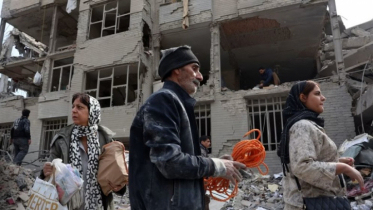
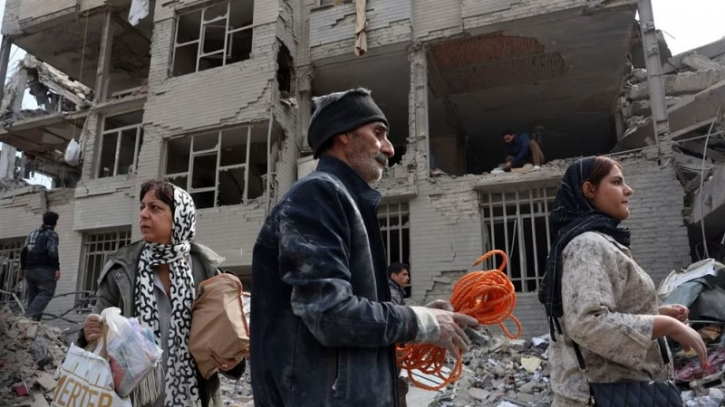
A terrible humanitarian disaster has occurred in Iran and Lebanon in the face of the joint attacks by the United States and Israel. Since the attack on Iran began on February 28, about 3.2 million people in the country have been forced to flee their homes, which is about 3 percent of the total population. On the other hand, another one million people have been displaced in Lebanon due to the Israeli ground operation. The number of displaced people in the two countries now stands at about four million.
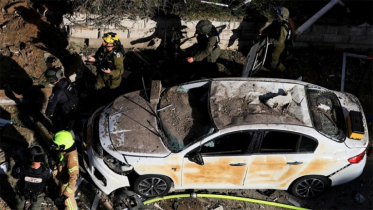
At least 1,500 people have died in the last 27 days of war in Iran, although the real number is believed to be much higher. The horrors of the war have damaged more than 85,000 civilian facilities inside Iran, including 282 health centers, 600 schools and about 65,000 homes. At least 14,000 residential buildings have been damaged in the capital Tehran alone.
The United Nations Refugee Agency (UNHCR) said that since the attack began, ordinary Iranians have been running from one place to another within the country in search of safe shelter. While the borders with neighboring countries Pakistan, Turkey and Azerbaijan are currently stable, the pressure of people leaving Iran is increasing day by day.
On the other hand, the situation in Lebanon is also gradually getting out of control. After the Israeli army ordered the evacuation of the area from the Litani River to the Zahrani River in the south of the country, about 14 percent of the country's territory is now uninhabited. According to the Norwegian Refugee Council, one in five Lebanese residents is currently displaced. Many families are forced to spend the night in the open air, on the streets or in vehicles due to the lack of shelter. Nearly 250,000 people have fled Lebanon to Syria in the past two weeks, half of whom are children.
As a tactic of war, Israeli forces are destroying important bridges in southern Lebanon. Several major bridges, including Qasmiyeh, Al-Qantara and Khardali, have been bombed.
Lebanese President Joseph Aoun strongly criticized the attack, saying it is a plot to create a "buffer zone" or buffer zone, isolating southern Lebanon from the rest of the country. The devastation has narrowed the escape routes for ordinary people in the south and made it impossible for relief aid to reach them.
Source: Al Jazeera
.png "Advertisement")