.png)
Apart from oil, major shocks to the fertilizer, technology and pharmaceutical markets
Published: 05:33 PM, 27 March 2026
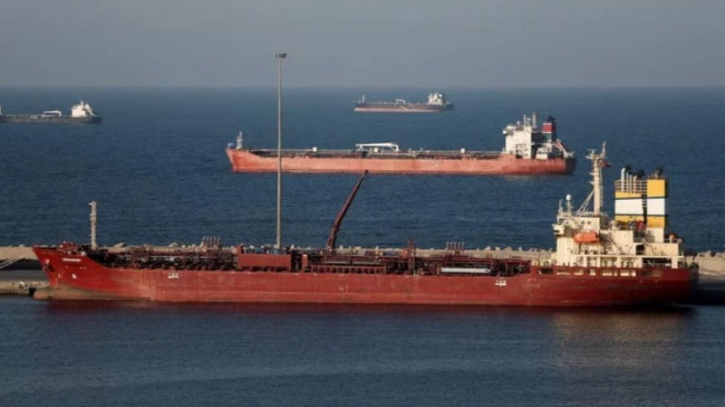
Shipping in the Strait of Hormuz, one of the most important waterways for global trade, has almost come to a standstill due to the US-Israeli conflict over Iran in the Middle East. While hundreds of ships used to travel through this route every day, it has now come down to just a few. As a result, there is a huge pressure not only on energy but also on the global supply system.
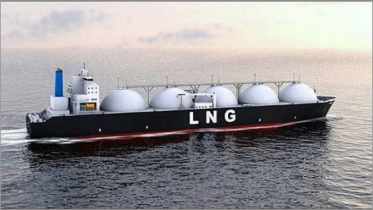
Disruptions to oil and gas transportation have already increased fuel prices in the global market. Along with the increase in petrol prices, there is a fear of an increase in household fuel costs in countries like the UK. However, the impact does not stop here—the supply of various important raw materials and products transported through this route is also under threat.
Pressure on the fertilizer market, food security at risk
Gulf countries play a major role in the production of oil and gas-based petrochemical products, especially fertilizers. Almost one-third of the world's urea, ammonia, potash and phosphate are transported through this route. Exports of these products have decreased since the conflict began.
Experts say that fertilizer shortages could have a major impact on crop production during the northern hemisphere's planting season. Even short-term disruptions can ruin the entire season, with long-term implications for food security. Studies have shown that a complete closure of the strait could significantly increase the price of wheat, fruits and vegetables.
Technology sector worries about helium shortage
Qatar supplies about a third of the world's helium, which is exported through the Strait of Hormuz. The gas is essential for making semiconductors and microchips, which are used in smartphones, cars and other electronic products.
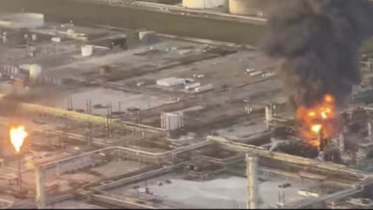
Qatar's major production center, Ras Laffan, has suspended operations after the recent attacks, raising concerns about a long-term supply shortage. A growing helium shortage could increase the cost of technology products such as smartphones and data centers, as well as MRI scans used in medicine.
Concerns over impact on pharmaceutical industry
Petrochemicals such as methanol and ethylene are essential for making medicines. Gulf countries control a significant portion of this global production and most of the exports are made through the Strait of Hormuz.
Meanwhile, India, the world's largest generic drug manufacturer, also relies on the region for its goods. Analysts fear that the price of medicines will increase as the conflict disrupts the supply chain.
Batteries and industries in a sulfur crisis
Sulfur, a byproduct of oil and gas processing, is transported extensively through this route. It is important in the production of fertilizers as well as in metal processing. Sulfuric acid, made from sulfur, is used to extract copper, cobalt, nickel and lithium—the main ingredients in making batteries. As a result, if the supply is disrupted, the prices of electric vehicles, electronic devices and military equipment could also increase.
Overall impact
Overall, the blockade of the Strait of Hormuz is creating multi-dimensional pressure on the global economy. From energy to food, from technology to health—it is starting to have an impact on almost every sector, which if prolonged could further increase instability in global markets.
.png "Advertisement")