.png)
How the Strait of Hormuz Crisis Could Increase Your Electricity Bill
Published: 06:20 PM, 26 March 2026
If tensions rise around the Strait of Hormuz, a strategically important passageway in the Middle East, its impact is not limited to international politics—it can directly affect the lives of ordinary people. It can even affect your electricity bill.
How can electricity costs increase?
Fuel price hike
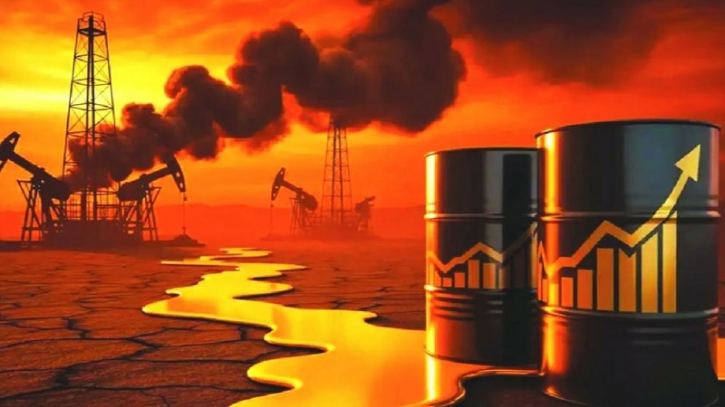
A large part of electricity generation in Bangladesh depends on imported fuel, especially oil and LNG. If there is instability in the Strait of Hormuz, oil prices increase in the international market. As a result, the cost of electricity generation also increases, which ultimately affects the consumer's bill.
Risks in LNG supply
This route is one of the main routes for transporting LNG from the Middle East. If there is a disruption here, there can be uncertainty in supply. Then fuel has to be imported from alternative sources at higher prices, which increases electricity costs.
Government subsidy pressure
Many times, the government keeps the situation under control by providing subsidies without immediately increasing the price of electricity. However, if the price of fuel has been high for a long time, this subsidy is not sustainable, so price adjustments may be necessary later.
The indirect impact is also not small
If the price of fuel increases, it increases costs not only in electricity but also in almost all sectors, including transportation and industrial production. This creates overall inflation, which indirectly affects the cost of electricity consumption and bills.
How realistic is this fear?
According to experts, short-term tensions in the Strait of Hormuz may not have a major impact. However, if the crisis continues for a long time, instability will arise in the global energy market—and its impact will gradually reach the electricity sector in Bangladesh.
.png "Advertisement")