.png)
Oil prices return to pre-Iran war levels

Published: 05:49 PM, 25 June 2026
After months of turmoil over the Iran war, international oil markets are beginning to ease. Oil prices are falling rapidly on expectations of increased supply from the Middle East and normalization of oil transport through the Strait of Hormuz. As a result, both Brent and West Texas Intermediate (WTI) crude prices have returned to their pre-Iran war levels.
According to Reuters, the price of Brent crude for delivery in August fell by $1.06, or 1.44 percent, to $72.68 per barrel on Thursday morning (June 25). At the same time, the price of US West Texas Intermediate (WTI) crude fell by 76 cents, or 1.08 percent, to $69.58 per barrel.
Both oil prices reached their lowest levels since February 27. Reuters says that the price of Brent crude in August was lower than the price in September. The price of oil for sale in September was $ 73.59 per barrel. According to analysts, the decrease in the price of oil for delivery in August compared to the price in September indicates sufficient fuel supply in the short term.
IG Group analyst Tony Sycamore said in a report, “The speed of the price decline has surprised many. The market is now assuming that oil supplies from the Middle East will return to normal faster than expected.”
Earlier on Wednesday, the price of Brent also fell by more than $ 3. On the same day, the price of WTI also fell by about $ 3 to end the day’s trading.
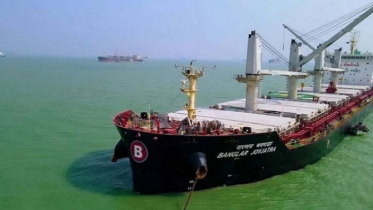
Meanwhile, US Energy Secretary Chris Wright said at an event that oil transportation through the Strait of Hormuz has now reached the level before the Iran war. At least 20 million barrels of oil have been transported through this channel in the last 24 hours.
However, he said that it will take several more weeks to fully normalize. Because some parts of the strait still need to be demined.
The possibility of increased supply from the Middle East and the idea that Iran's oil exports may increase after receiving a temporary exemption from US sanctions have also put pressure on the market prices.
Earlier last week, a preliminary agreement was reached between the United States, Israel and Iran to stop the war. As a result, shipping through the Strait of Hormuz has resumed. According to the agreement, negotiations will continue for the next 60 days on complex issues including Iran's nuclear program.
Chris Wright said that even if the agreement is broken, oil transportation through the Strait of Hormuz will continue. He also commented that Iran will no longer be able to close the strait.
Meanwhile, Oman opened a temporary waterway in the Strait of Hormuz on Wednesday to facilitate tanker traffic. The International Maritime Organization (IMO) and Omani authorities are jointly coordinating shipping traffic.
In addition, the Prime Minister of Qatar visited Oman. He held meetings with Iran, Iraq and Gulf countries to start discussions on the future management of the Strait of Hormuz.
Macquarie Bank analysts believe that oil prices will quickly return to pre-war levels after adjusting to the new situation and the Strait of Hormuz is fully open. According to their forecast, the average price of Brent crude oil in the third quarter of this year may fall to $ 67 per barrel and the average price of WTI to $ 62. In the second quarter, these average prices were $ 94 and $ 87, respectively.
On the other hand, the US Energy Information Administration (EIA) said that last week the country's total crude oil inventories fell to their lowest level since 1984. The main reason for this is the increase in refinery demand and the release of oil from emergency reserves.
However, this information did not have much impact on the market. Because investors' main focus was on the situation in the Strait of Hormuz.
.png "Advertisement")