.png)
Myanmar agrees to take back 300,000 Rohingya from Bangladesh
Published: 10:33 PM, 30 July 2026
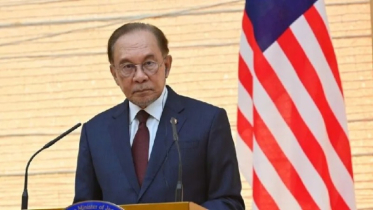
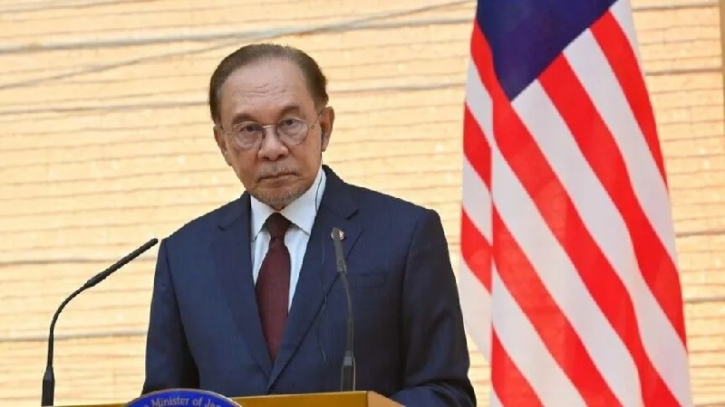
Myanmar has agreed to take back nearly 300,000 Rohingya who have taken refuge in Bangladesh. Malaysian Prime Minister Anwar Ibrahim said that this is an important progress in resolving the long-standing Rohingya crisis. At the same time, Myanmar has agreed to take back another 5,000 Rohingyas residing in Malaysia in the first phase. According to Anadolu Agency.
Speaking at an event on Wednesday (July 29), Anwar Ibrahim said that this agreement was possible as a result of recent bilateral talks with Myanmar. However, he did not specify a time frame for when the repatriation of the 300,000 Rohingyas residing in Bangladesh will begin.
According to local media Free Malaysia Today, he said that many people are saying to send them back. But where should they send them? Myanmar has not wanted to take them for so long. He also said that good relations with Myanmar are important. Now they have agreed to take back 5,000 Rohingyas in the first phase.
Millions of Rohingyas who fled persecution and violence in Myanmar's Rakhine state have currently taken refuge in various countries, including Bangladesh and Malaysia. Bangladesh is home to the world's largest Rohingya refugee population, hosting more than 1.3 million Rohingya.
Anwar said talks with Myanmar would continue to find a lasting solution to the Rohingya crisis. He described the agreement as a positive step towards regional stability and resolving the humanitarian crisis.
Meanwhile, the announcement came at a time when more than a hundred Rohingyas who recently left a settlement in Malaysia's Penang state gathered in front of the office of the United Nations refugee agency UNHCR in Kuala Lumpur. Malaysian authorities later transferred them to temporary shelters in Kuala Lumpur, Selangor and Penang.
It is worth noting that millions of Rohingyas have been forced to flee the country since the military crackdown in Myanmar in 2017. Most of them took refuge in Bangladesh, while many risked their lives to reach various countries including Malaysia and Indonesia by sea.
.png "Advertisement")