.png)
Intelligence told Trump that Gulf countries could retaliate
Published: 09:25 PM, 17 March 2026
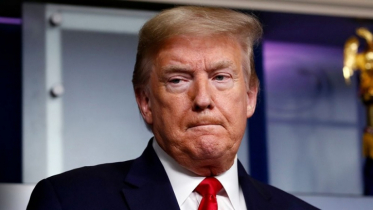
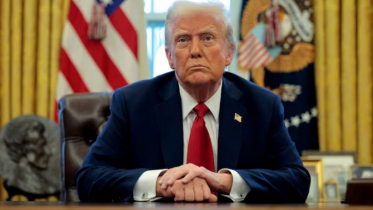
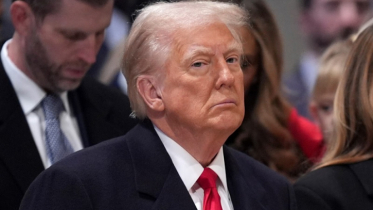
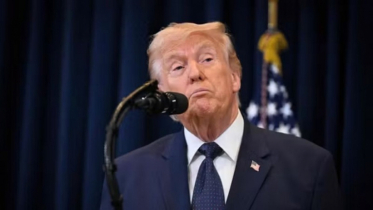
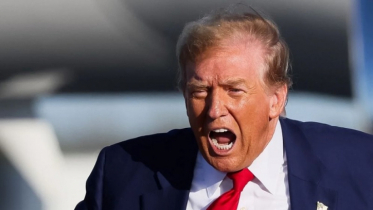
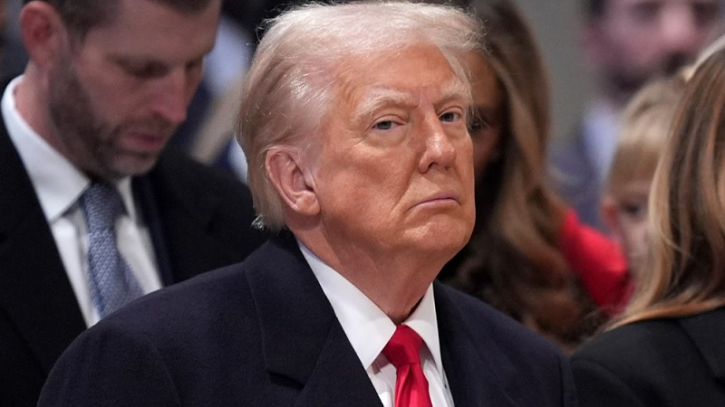
President Donald Trump was warned before the war that an attack by Iran could lead to retaliation against US allies in the Middle East. Despite this warning from US intelligence agencies, Trump claimed on Monday (March 16) that Iran's response in the Gulf countries had "surprised" him.
According to relevant intelligence officials and sources, the assessment given before the war made it clear that a retaliatory strike from Tehran was not certain, but it was a very strong possibility.
At two separate events held at the White House on Monday (March 16), Trump claimed that Iran's missile attacks on Qatar, Saudi Arabia, the United Arab Emirates, Bahrain and Kuwait were unexpected. "Nobody thought that Iran would attack these countries in the Middle East. We were surprised," he said.
However, intelligence sources say otherwise. According to them, Trump was informed in advance that if Tehran thought that the Gulf countries were supporting the American attack, they could directly attack the capitals or military bases of those countries.
Before the war, Trump was informed that Iran could close the Strait of Hormuz, one of the world's most important energy supply routes, as a countermeasure.
The Trump administration claimed that Iran would quickly develop missiles capable of hitting the United States and that it would take them only 2-4 weeks to build a nuclear bomb. However, intelligence reports have not found any solid evidence behind this information.
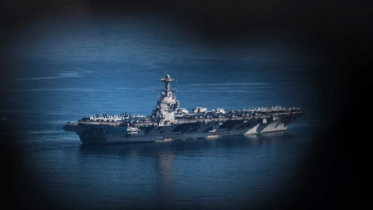
In response to the 'Epic Fury' operation that began on February 28, Iran has already stopped almost all types of shipping through the Strait of Hormuz. 20 percent of the world's oil is supplied through this route. As a result, the price of crude oil has currently risen to $120 per barrel.
In addition, in the past two weeks, Iranian drone and missile attacks have damaged airports, hotels and energy infrastructure in the Gulf countries.
Meanwhile, Democratic lawmakers walked out of an administration briefing last week to say there was no “immediate threat” from Iran that warranted the war. Many analysts believe the operation, carried out in concert with Israel, has pushed the Middle East toward a prolonged and deadly regional war.
Source: The Express Tribune
.png "Advertisement")