Afghans are forced to sell their children to survive

Published: 09:28 PM, 19 May 2026
Chaghcharan, the capital of Afghanistan's Ghor province. The Prothom-alo of dawn has just begun to break. Hundreds of people have gathered in a dusty square under the snow-capped Siah Koh mountain. Some are wearing thin sheets, some have a look of deep fatigue on their faces. Everyone is waiting for the same thing - if someone gives them a job opportunity. Because it depends on that one day's income whether their children will be able to eat that day.
Afghanistan's economy has been in a terrible crisis since the Taliban seized power. The lives of ordinary people have become miserable due to the effects of reduced international aid and a long-term recession. Thousands of families are now struggling to survive due to extreme poverty and food shortages. Many fathers are being forced to make a decision that is difficult to imagine - to sell their children. BBC News.
45-year-old Juma Khan has only been able to work three days in the last six weeks. Daily income is 150 to 200 Afghanis (about 250 to 350 taka). In a tearful voice, he said, his children have not eaten for three consecutive nights. His wife and children were crying in the agony of hunger. He was forced to borrow from his neighbors to buy flour. He constantly fears that his children may die without eating.
According to the United Nations, almost three-quarters of the people of Afghanistan are now unable to meet even the minimum needs. Many families in the country are facing extreme hardships due to unemployment, food shortages, and lack of medical care. The situation is even worse in Ghor province.
Standing at the labor market in Chaghcharan, Rabbani trembled as he spoke. He said, "I heard on the phone that my children have not eaten anything for two days. At that time, I thought suicide was the only way out. Later, I thought, who will take care of them if I am not there?"
Another old man, Khwaja Ahmad, who is unable to find work due to his age, said in tears that his eldest child has already died. He is still looking for work to keep the rest of his family alive, but no one is giving him work.
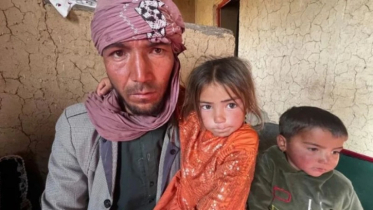
Abdul Rashid Azimi lives in a dilapidated house surrounded by mountains in Chaghcharan. Hugging his seven-year-old twin daughters, Rokia and Rohila, he says, “I am ready to sell my daughters. Debt and poverty have made me helpless. When my children say, ‘Dad, give me bread,’ I have nothing to give them.”
Another heartbreaking story is that of Saeed Ahmad. After his five-year-old daughter Shaika was diagnosed with a serious illness, he sold her to a relative for 200,000 Afghanis (about $3,200) to raise money for her treatment. In his words, “If she hadn’t had an operation, she wouldn’t have survived. So I had to.”
A few years ago, families used to receive food and nutrition assistance through international aid. But after that aid decreased, the situation has become even more critical. According to the United Nations, aid has decreased by about 70 percent compared to the previous year. This has been compounded by drought and economic stagnation.
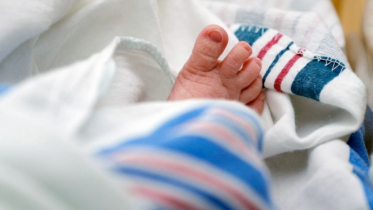
The main hospital in Chaghcharan is also in a similar situation. There are no empty beds in the neonatal ward. In some places, two children are kept in the same bed. Most of them are suffering from severe malnutrition, some are suffering from respiratory problems.
Doctors say that the patient load is increasing every day, but there is an acute shortage of necessary medicines, equipment and beds. Many families are forced to withdraw their children from the hospital prematurely, unable to afford the medical expenses.
The people of Chaghcharan's labor market return home again—some with a little bread in their hands, some with nothing in their hands. Yet they return there again the next morning, with only one hope—maybe that day they will get some food for their children.