.png)
Trump risks new escalation of Iran attacks
Published: 08:15 PM, 18 July 2026
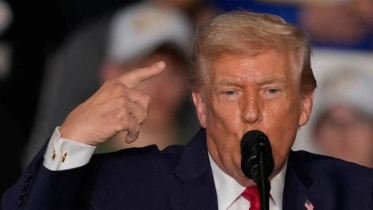
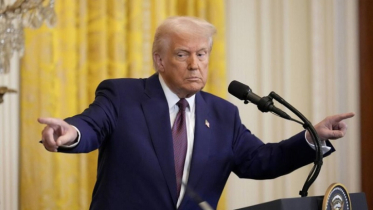
US President Donald Trump has threatened to escalate the conflict by intensifying airstrikes against Iran. However, analysts say that military pressure, which has failed to force Tehran to give in in the past, is unlikely to succeed this time.
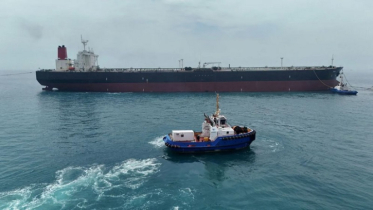
Reuters reports that the Trump administration is under renewed pressure after the collapse of a temporary ceasefire a month ago. Washington's goal is to reduce Iran's influence over the Strait of Hormuz and force Tehran to return to talks on US terms.
Although a full-scale war has not yet begun, the chances of resolving the crisis are gradually fading. In the meantime, global oil prices have risen and international financial markets have become unstable.
The retaliatory attacks continue for the sixth consecutive day. At the same time, Iran has indicated that if the United States attacks its power infrastructure, shipping through the vital Bab al-Mandeb Strait, located at the entrance to the Red Sea, could be disrupted through Yemen's Houthi allies.
According to US media and Reuters reports, the Trump administration has also discussed the possibility of attacking Iran's energy facilities, bridges, the Kharg Island oil export terminal and the deep underground nuclear-related facility 'Pickaxe Mountain'. However, analysts believe that these steps are high-risk and could have major political repercussions.
Jonathan Panikoff, a former US intelligence officer and Atlantic Council analyst on the Middle East, said there is no reason to believe that new attacks or more drastic military action will change Iran's position. Rather, Tehran could take a tougher stance.
On the other hand, a senior Trump administration official told Reuters that while the president's priority is a diplomatic solution, Iran only understands the language of military force. The United States will continue to hold Iran accountable for its terrorist activities in the Strait.
Meanwhile, Trump is also under pressure at home as the interim agreement collapses. The long-running conflict has claimed thousands of lives, has strained his economy and has hurt his popularity ahead of the upcoming midterm elections.
Talks on a permanent deal on Iran's nuclear program have stalled. Trump recently claimed that a US citizen detained in Iran had been released. However, Iran's judiciary has denied this claim.
The White House has accused Iran of violating the interim agreement by attacking Iranian ships and escalating tensions in the waterway. In response, the United States has reimposed a blockade on Iranian ports and lifted waivers on Iranian oil sales to international markets.
According to Reuters, the latest US strikes are aimed at weakening Iran's vital military capabilities before a larger military operation in the future.
On the other hand, Iran has warned that if the US steps up its attacks, civilian installations of US allies in the Gulf could also be targeted. The country still has significant missile and drone capabilities.
Reuters also reported that Tehran has told Yemen's Houthi group to prepare to close the Bab al-Mandeb Strait, multiple sources claimed. This could lead to a new crisis in global energy supplies.
According to analysts, Trump, who came to power in a second term promising to reduce military intervention abroad, may repeat the same strategic mistakes as before. According to Danny Citrinovich, a researcher at the Institute for National Security Studies in Israel, no matter how much pressure is increased, the Iranian leadership will not give in easily. On the contrary, if the attack spreads, Tehran will also respond more strongly.
Trump risks new escalation of Iran attacks
US President Donald Trump has threatened to escalate the conflict by intensifying airstrikes against Iran. However, analysts say that military pressure, which has failed to force Tehran to give in in the past, is unlikely to succeed this time.
Reuters reports that the Trump administration is under renewed pressure after the collapse of a temporary ceasefire a month ago. Washington's goal is to reduce Iran's influence over the Strait of Hormuz and force Tehran to return to talks on US terms.
Although a full-scale war has not yet begun, the chances of resolving the crisis are gradually fading. In the meantime, global oil prices have risen and international financial markets have become unstable.
The retaliatory attacks continue for the sixth consecutive day. At the same time, Iran has indicated that if the United States attacks its power infrastructure, shipping through the vital Bab al-Mandeb Strait, located at the entrance to the Red Sea, could be disrupted through Yemen's Houthi allies.
According to US media and Reuters reports, the Trump administration has also discussed the possibility of attacking Iran's energy facilities, bridges, the Kharg Island oil export terminal and the deep underground nuclear-related facility 'Pickaxe Mountain'. However, analysts believe that these steps are high-risk and could have major political repercussions.
Jonathan Panikoff, a former US intelligence officer and Atlantic Council analyst on the Middle East, said there is no reason to believe that new attacks or more drastic military action will change Iran's position. Rather, Tehran could take a tougher stance.
On the other hand, a senior Trump administration official told Reuters that while the president's priority is a diplomatic solution, Iran only understands the language of military force. The United States will continue to hold Iran accountable for its terrorist activities in the Strait.
Meanwhile, Trump is also under pressure at home as the interim agreement collapses. The long-running conflict has claimed thousands of lives, has strained his economy and has hurt his popularity ahead of the upcoming midterm elections.
Talks on a permanent deal on Iran's nuclear program have stalled. Trump recently claimed that a US citizen detained in Iran had been released. However, Iran's judiciary has denied this claim.
The White House has accused Iran of violating the interim agreement by attacking Iranian ships and escalating tensions in the waterway. In response, the United States has reimposed a blockade on Iranian ports and lifted waivers on Iranian oil sales to international markets.
According to Reuters, the latest US strikes are aimed at weakening Iran's vital military capabilities before a larger military operation in the future.
On the other hand, Iran has warned that if the US steps up its attacks, civilian installations of US allies in the Gulf could also be targeted. The country still has significant missile and drone capabilities.
Reuters also reported that Tehran has told Yemen's Houthi group to prepare to close the Bab al-Mandeb Strait, multiple sources claimed. This could lead to a new crisis in global energy supplies.
According to analysts, Trump, who came to power in a second term promising to reduce military intervention abroad, may repeat the same strategic mistakes as before. According to Danny Citrinovich, a researcher at the Institute for National Security Studies in Israel, no matter how much pressure is increased, the Iranian leadership will not give in easily. On the contrary, if the attack spreads, Tehran will also respond more strongly.
.png "Advertisement")