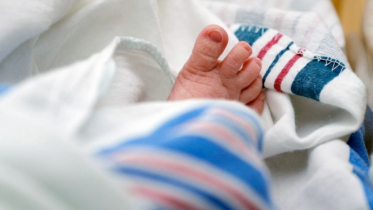
Birth rate in the United States at its lowest point, what is the reason

Published: 04:49 AM, 11 April 2026
The birth rate in the United States has fallen to a new low again. Experts believe that economic pressure and late marriage play an important role in this decline. The birth rate reaching its lowest point has also created political debate in the country recently.
This picture emerged in a study published by the US Centers for Disease Control and Prevention (CDC) on Thursday (April 9).
According to federal data, the birth rate in the United States will decrease slightly in 2025 to reach its lowest level in history. Last year, about 3.6 million babies were born in the country, which is 1 percent less than the previous year. The study by the National Center for Health Statistics showed that the birth rate fell to 53.1 per 1,000 women, which is 1 percent less than the previous year.
In particular, the birth rate for adolescents aged 15 to 19 has fallen by 7 percent to 11.7 per 1,000. This rate has decreased by 81 percent compared to 1991.
The main reasons behind this are seen as increased public health awareness, the availability of birth control, and a decrease in teenage fertility.
This trend of declining birth rates is also being discussed in the political arena. Some conservatives believe that the birth rate falling below the replacement rate may disrupt the population balance in the future. On the other hand, many see it as a positive aspect of increasing women's reproductive freedom.
According to experts, many couples are postponing the decision to have children due to concerns about the cost of living, housing, the ability to pay for child rearing, high health care costs, and financial uncertainty.
In this context, the administration of US President Donald Trump has taken initiatives to provide savings accounts, IVF treatment discounts, and tax benefits for newborns.
Brady Hamilton, the lead author of the study, said that the rapid decline in the birth rate among teenagers is "extraordinary." At the same time, the birth rate has been found to have decreased among women in their 20s, but increased among women in their 30s and early 40s.
Experts believe that people are now deciding to start a family later than in the past, which is affecting the overall birth rate. However, in the long term, this trend could lead to significant changes in the structure of the population.
Source: The Washington Post