.png)
Cancer expert’s advice on the use of plastic, from home to kitchen
Published : 06:45 PM, 7 January 2026
It is difficult to imagine a day without plastic in modern life. From bottles, bowls, containers to water tanks, plastic is present everywhere. However, behind this convenience, there are some silent health risks.
It is difficult to imagine a day without plastic in modern life. From bottles, bowls, containers to water tanks, plastic is present everywhere. However, behind this convenience, there are some silent health risks. Dr. Jayesh Sharma, an experienced cancer specialist from Raipur, has given an important explanation on where to be careful when using plastic, and how to stay safe.
This oncologist, who has been involved in the medical profession for more than 25 years, has talked about the harmful effects of plastic and ways to use it safely on social media. According to him, the two biggest concerns in our daily lives are chemicals released from plastic and microplastics.
How health risks are made from plastic
1. Chemical release
Dr. Sharma said that plastic is made entirely of synthetic chemicals. Over time, these chemicals can leach into food or water. The amount of chemicals released from a plastic depends on several factors—
Heat: The hotter the plastic, the more chemical emissions increase.
Plastic quality: Low-quality plastic is more harmful.
Age of use: When the protective layer on the top of old plastic wears off, emissions increase.
Read more
Is the foam that rises on top of lentils safe, doctor advises
Why does skin itch in winter, doctor explains the solution
2. Microplastics
Microplastics are tiny plastic particles that cannot be seen with the eye. These particles are formed by the breakdown of larger plastics by sunlight and environmental influences. According to Dr. Sharma, today these microplastics are found in food, water, air and even in our blood and cells.
Problems that can occur when plastic enters the body
Various problems can occur when plastic materials enter the body—
Disruption of normal hormone function
Creating inflammation in the body
Dr. Sharma said that there is still no direct evidence that plastic definitely causes cancer. However, research is underway on some possible risk pathways. Although the risk is low, it is not worth ignoring completely.
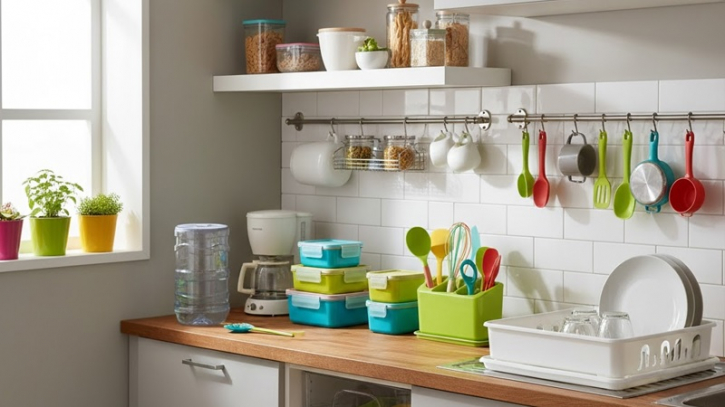
How to use plastic safely in the home and kitchen
Avoid the combination of plastic, food and heat.
Even if the microwave is marked 'microwave-safe', it is safest to use glass or ceramic containers.
Rooftop water tanks are usually made of stable plastic. Below 50 degrees Celsius, there is no major risk.
The water in the bath bucket is not for drinking, so there is no significant health risk.
Baby milk bottles are usually made of BPA-free plastic. If desired, steel or glass bottles can be used, but the nipple should definitely be made of silicone.
Good quality silicone molds are safe for baking at medium heat.
Things to do to avoid microplastics
According to Dr. Sharma, about 50 percent of microplastics entering the body come through water. Therefore, using a water filter greatly reduces the risk. Microplastics accumulate more inside the house than outside. Therefore, it is important to regularly open windows and maintain ventilation. Using a vacuum cleaner and wet mopping are effective in cleaning the house. It is not realistic to completely avoid plastic. However, it is possible to reduce the risk significantly with conscious use. Experts say that by changing small habits in daily life, it is possible to protect the health of yourself and your family.
Source: Hindustan Times
.png "Advertisement")