.png)
Does the color of your urine change too? It is not a sign of a serious disease
Published : 10:10 PM, 5 January 2026
How to diagnose diseases by looking at the color of urine
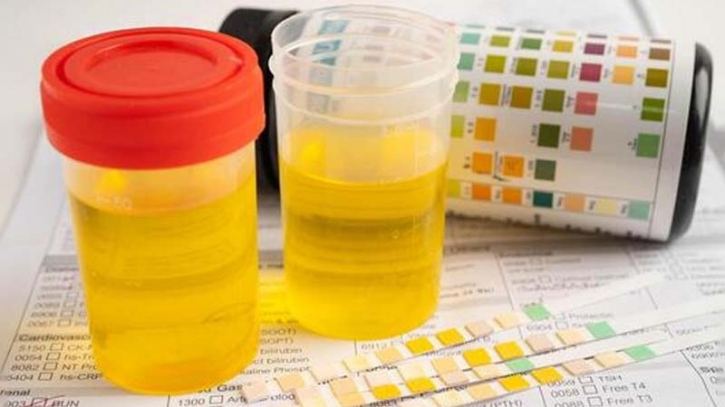
Many people think of urine as just waste. This is actually wrong. Urine gives a basic idea of how the kidneys and the whole body are working. Healthy kidneys filter blood and produce urine, which is usually light yellow to amber (between yellow and orange, bright) in color. And if this color changes or continues to change, it is clear that the kidneys are under some stress.
Urine has different colors for different reasons. While color changes indicate various complex diseases underlying health, not all colors are like this. Although it is important to understand some changes and check them. And the Times of India has published a report on understanding health complications by looking at the color of urine. So let's find out from there-
Why color is important, how healthy kidneys affect urine:
Healthy kidneys remove waste and maintain fluid balance. Urochrome dye gives normal urine a yellow color. Depending on hydration and diet, how dark or light it looks. A persistent, unusual color should not be ignored along with other symptoms.
Dark brown or tea-colored urine:
If your urine is dark brown or tea-colored, it could be a sign of waste or blood. In severe kidney disease, waste is not filtered properly, which can cause the urine to turn dark. According to research and expert guidance, tea-colored urine is a sign of kidney stress or kidney failure.
Warning: If your urine is dark brown even after drinking water, looks like tea for no reason, and changes in urine color are accompanied by fatigue and bloating, you should check for it.
Red or pink urine:
Urine is often red or pink in color due to blood in the urine (hematuria). However, eating foods like beets can temporarily change the color of your urine. But the blood is not coming out. If it does, it could be from a kidney filtering unit, stones, or inflammation. According to research and clinical guidelines, blood in the urine needs to be tested. Because it is associated with kidney health issues.
Warning signs: If the urine color persists for more than 24-48 hours, pain in the back or side and fever or frequent urination is not to be ignored. As per the advice of a specialist doctor, get a urine test to check for infection, stones or kidney disease.
Foamy urine:
If the urine shows a lot of foam or cloudiness, it can indicate proteinuria, that is, the spread of protein in the urine. This occurs when the filters start to fail in the early stages of chronic kidney disease. Foam is not always directly related to the color, but its persistence is definitely noticeable.
What it means: Usually, protein leaks due to poor kidney filtering. The initial stress on the kidneys occurs before major symptoms appear. In this case, you can get a dipstick urine test. It detects protein. It can also check kidney function.
Gradually darkening yellowness:
If the urine is yellow, it is a sign of dehydration. And if your urine is still dark even after drinking enough water, it could be a reflection of your kidneys struggling to maintain fluid balance. Chronic dehydration increases the risk of kidney stones and long-term stress on your filter.
What to do: Improve hydration consistently. If the color doesn't lighten, you should seek medical advice. Also, if your urine color changes with fever or pain, or if there is blood in your urine, very dark or tea-colored urine that is not related to food, your urine volume decreases or swelling increases, and your foamy urine doesn't clear up.
.png "Advertisement")