.png)
Adidas calls for boycott after using former Israeli soldier in advertisement
Published: 02:26 PM, 7 September 2026
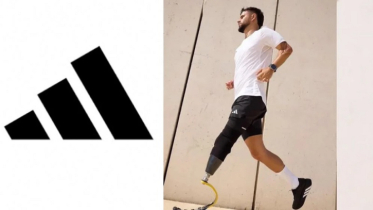
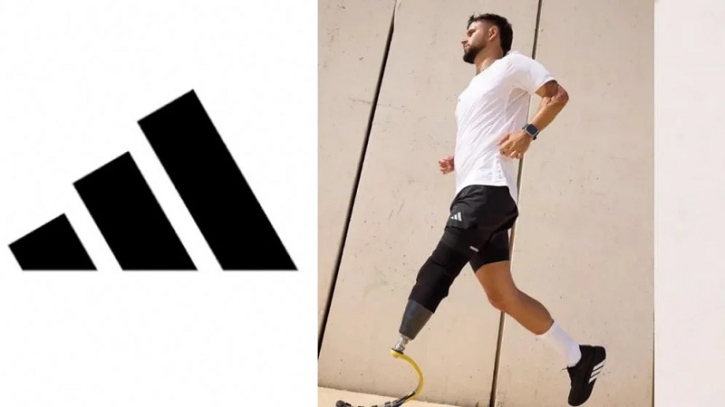
Sportswear giant Adidas has come under fire for using a former Israeli soldier as the face of its advertising campaign amid Israel's ongoing war in Gaza. The company has included former Israeli soldier Shalev Biton in its "single-shoe-service" campaign. Human rights activists and social media users have called for a boycott of Adidas products.
Adidas' 'single-shoe-service' is aimed at people who are missing one foot. The initiative aims to provide people with the opportunity to buy a single pair of shoes as needed, rather than a pair. However, the choice of a former Israeli soldier for the campaign in the context of the Gaza war has sparked fresh controversy.
Critics question why a former member of the Israeli military was brought to the forefront in promoting a benefit initiative for people with disabilities, when thousands of people have been maimed and seriously injured in the conflict in Gaza.
Shalev Biton lost his left leg after being injured in a clash near Gaza in May 2021. His inclusion in Adidas' campaign has also raised questions about how the company is presenting the issue of mutilation and disability in the context of the ongoing war in Gaza.
According to the World Health Organization (WHO) estimates as of May 2026, more than 5,000 people have lost arms or legs due to the conflict in Gaza since October 2023. During the same period, more than 22,000 people have suffered serious amputations.
The conflict has also had a devastating impact on children. UNICEF's latest State of Palestine appeal report says that as of 3 February 2026, more than 11,000 children had suffered serious injuries that are likely to have long-term effects on their lives.
The horrific picture of child amputations in Gaza has been reported before. In January 2024, CNN, Save the Children and UNICEF reported that an average of more than 10 children in Gaza had lost one or two legs every day since October 7, 2023. According to estimates at the time, nearly 1,000 children had lost one or two legs by December.
Another WHO estimate says that 2,277 amputees in Gaza were assessed between September 2024 and May 2026. Of those, only 502 received prosthetic limbs. According to the organization, there is an acute shortage of rehabilitation services and essential supportive medical equipment in Gaza.
In addition, the WHO said that more than 42,000 people in Gaza have suffered serious injuries that require long-term rehabilitation treatment.
In this context, critics have questioned whether Palestinians with disabilities are receiving due weight in discussions about disability rights, opportunities, and accessibility. Their objection is not primarily to the 'single-shoe-service' initiative, but rather to the choice of Biton as the face of the campaign amid the current political and humanitarian situation of the Gaza war.
The issue has also drawn widespread backlash on social media, with many users questioning why Adidas would choose someone with a history of serving in the Israeli military as a campaign spokesperson during the Gaza war.
Spanish actor Javier Bardem has also called for a boycott of Adidas' products in protest of the company's decision. In a story post on social media, he urged his followers to boycott the brand. His response comes after the company's decision to promote a 'single-shoe-service' campaign featuring Bitton in Israel.
Adidas launched its 'single-shoe-service' in Europe on January 19, 2026. The company later officially announced the initiative in March. The company said that the service has been launched in 23 countries in Europe through Adidas-owned stores.
While such initiatives are necessary for people with disabilities and disabilities, the fact that a former Israeli soldier was chosen for the campaign in the context of the ongoing war in Gaza and the resulting mass amputations has intensified the controversy. Critics say that such campaigns must take into account the political and humanitarian realities of the product or service, as well as the social purpose of the product or service.
Source: Anadolu Agency
.png "Advertisement")