.png)
What Netanyahu offered Trump before the attack on Iran
Published: 05:37 PM, 24 March 2026
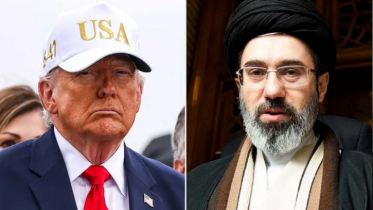
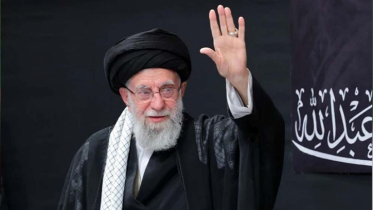
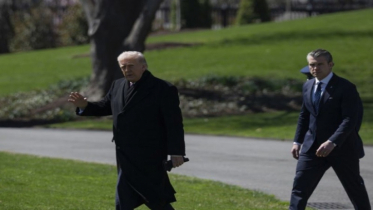
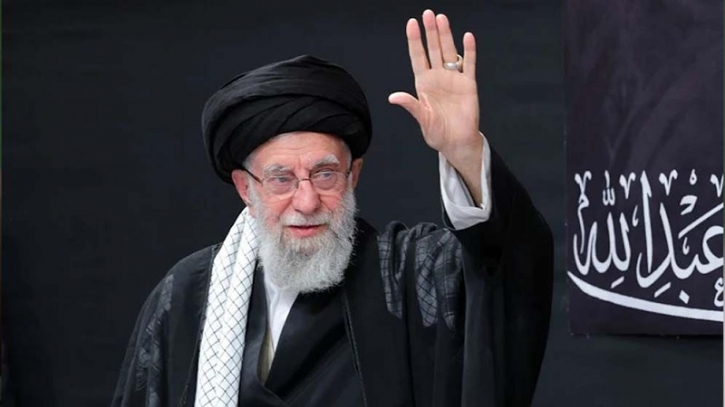
Less than 48 hours before the start of the Israeli and US attacks on Iran, Israeli Prime Minister Benjamin Netanyahu called US President Donald Trump. They discussed the various reasons for starting a complex and far-flung war that the American leader once campaigned against. However, Trump agreed to go to war when Netanyahu offered to assassinate Iran's then-Supreme Leader Ayatollah Ali Khamenei.
Intelligence briefings earlier this week revealed that both Trump and Netanyahu knew that Iran's then-Supreme Leader Ayatollah Ali Khamenei and his top aides would soon meet at his compound in Tehran. This would expose them to a "decapitation strike" or attack targeting the top leadership - the kind of attack that the Israelis often carry out, but that the US historically has rarely carried out.
According to three people familiar with the call, new intelligence indicated that the meeting had been moved from Saturday night (February 28) to Saturday morning. The call has never been reported before.
Netanyahu, the sources said, was determined to press ahead with the operation he had been pushing for for decades. He argued that there would never be a better opportunity to kill Khamenei and avenge Iran’s previous attempt to assassinate Trump.
That attempt included “a plot by Iran to send a hired assassin” when Trump was a presidential candidate in 2024.
The Justice Department has charged a Pakistani national with recruiting people in the United States to carry out the plan, which was essentially carried out in retaliation for Washington’s killing of top Islamic Revolutionary Guard Corps (IRGC) commander Qassem Soleimani.
The sources, who spoke on condition of anonymity to discuss sensitive internal discussions, said Trump was positive about the idea of military action against Iran during the call, but had not yet decided when or under what circumstances the United States would become directly involved.
US military buildup in the Middle East
The US military has been increasing its presence in the region for weeks, leading many in the administration to believe it was only a matter of time before the president decided to move forward. A possible date just days earlier was canceled due to bad weather.
Reuters could not confirm how much Netanyahu’s reasoning influenced Trump when considering ordering the strike, but the call was a final argument by the Israeli leader to the US president.
Three sources familiar with the call said they believed the call, along with intelligence that the window of opportunity to kill the Iranian leader was running out, was the catalyst for Trump’s military’s final decision on February 27 to move forward with “Operation Epic Fury.”
Netanyahu argued that Trump could make history by eliminating an Iranian leadership long hated by the West and many Iranians.
He added that Iranians could even take to the streets and overthrow the theocratic system that has ruled the country since 1979, a major source of terrorism and instability around the world.
The first bomb went off on the morning of Saturday, February 28. That evening, Trump announced that Khamenei was dead.
When asked for comment, White House spokeswoman Anna Kelly did not comment directly on the phone call between Trump and Netanyahu. But she told Reuters that the strike was designed to “destroy the Iranian regime’s ballistic missile and production capabilities, destroy Iran’s navy, disrupt its ability to arm proxies, and ensure that Iran never obtains a nuclear weapon.”
Neither Netanyahu’s office nor Iran’s representative to the United Nations responded to requests for comment.
At a recent press conference, Netanyahu dismissed as “fake news” the claim that “Israel somehow dragged the United States into a conflict with Iran. Does anyone really think that anyone can tell President Trump what to do? Absolutely not.”
Trump has publicly said that the decision to attack was his own.
The Reuters report—based on interviews with officials and people close to both leaders—does not suggest that Netanyahu pressured Trump into going to war. But it does show that the Israeli leader was an effective negotiator, and the context of his decision—which included the opportunity to assassinate the Iranian leader who had tried to assassinate Trump—was persuasive to the president.
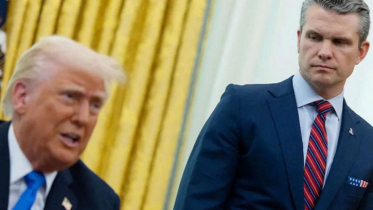
Defense Secretary Pete Hegseth indicated in early March that at least one motive behind the attack was revenge. He told reporters, “Iran tried to assassinate President Trump, and President Trump had the last laugh.”
Source: Jerusalem Post.
.png "Advertisement")