.png)
Major attack in Bahrain was ‘carried out by the US, not Iran’
Published: 10:24 PM, 22 March 2026
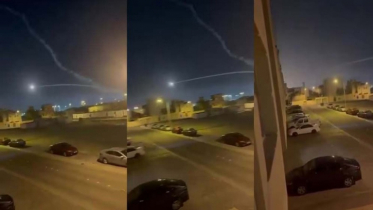
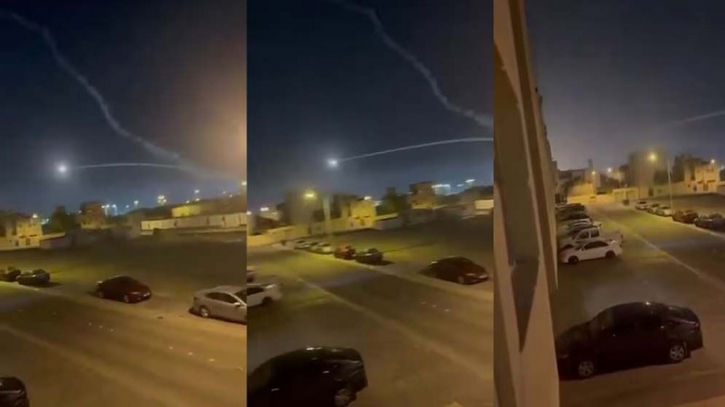
A major attack took place in US ally Bahrain on the 10th day of the unequal war imposed by the US and Israel on Iran. A massive explosion shook the country. The explosion that injured dozens of civilians and destroyed homes in the early hours of March 9 was likely an interceptor missile fired from a US-operated ‘Patriot’ air defense battery.
According to an analysis by researchers, the US’s sophisticated Patriot air defense system was responsible for the attack.
Both Manama and Washington blamed an Iranian drone strike for the March 9 explosion. Bahrain reported that 32 people, including children, were injured in the incident, some of whom were in critical condition. On the day of the attack, US Central Command reported that an Iranian drone had hit a residential area in Bahrain.
Bahrain acknowledged for the first time on Saturday (March 21) that a Patriot missile was involved in the explosion in the Mahajja area of Sitra Island, off the coast of the capital Manama. The island is home to an oil refinery.
In a statement, a Bahraini government spokesman said the missile had successfully intercepted an Iranian drone in mid-air, saving lives. The spokesman added that the damage and injuries were not caused by a Patriot interceptor or a direct hit by an Iranian drone.
However, neither Bahrain nor Washington has provided any evidence that Iranian drones were involved in the Mahajja incident. The use of very expensive and sophisticated weapons to counter relatively cheap drone attacks has become a hallmark of this war. The incident highlights the risks and limitations of that strategy. The explosion of a powerful Patriot missile (whether it intercepts the drone or not) has caused widespread damage and casualties. Meanwhile, Bahrain's air defenses failed to intercept an attack on a nearby oil refinery that night, forcing the refinery to declare a "force majeure" (force majeure) a few hours later.
The Pentagon referred the matter to Central Command for comment, but it did not immediately respond.
In response to questions sent to the White House, a senior US official said the US was "crush[ing]" Iran's ability to launch or build drones and missiles. "We will continue to confront these threats to our country and our allies," he added.
The official stressed that the US military "never targets civilians," but did not answer specific questions about the Patriot strikes.
On February 28, an Iranian girls' school was directly hit on the first day of the US strike on Iran. US Department of Defense investigators believe that US forces were likely responsible. Two US sources previously said that the incident was likely caused by old or outdated “targeting data”.
Video footage from the Mahja explosion in Bahrain showed rubble surrounding homes, a thick layer of dust on the streets, an injured person and residents screaming.
Bahrain, a close US ally in the Persian Gulf, is home to the US Navy’s Fifth Fleet and regional naval command. Both Bahrain and the US operate US Patriot air defence batteries there.
According to Bahrain’s national oil company, Bapco, the Sitra oil refinery was hit by an Iranian attack on the night of the Mahaja explosion. The video shows smoke rising from the facility on the morning of March 9.
It was not immediately clear whether the cause of the explosion was immediately apparent to US and Bahraini forces on the night of the Iranian attack in Sitra.
Bahrain did not say in its statement why it did not mention the involvement of Patriot missiles at the time. Iran's mission to the United Nations did not immediately respond to a request for comment on the incident.
Source: Reuters.
.png "Advertisement")