.png)
Muscat meeting in crisis of trust: Direct talks fail to melt Iran-US ice
Published: 05:12 PM, 9 February 2026
Although high-level talks between Iran and the United States held in Muscat, Oman, failed to reach a final agreement, they gave new oxygen to the diplomacy that was on the brink of a crisis.
The meeting, held last Friday (February 6), was the first direct and high-level contact between the two countries since the US-Israeli attack on Iranian nuclear facilities in June last year. Although both sides were adamant in their respective positions—Iran wanted to discuss only the nuclear issue, while the US wanted to include the issue of missiles and regional armed groups—the agreement on the next meeting is seen as a positive signal.
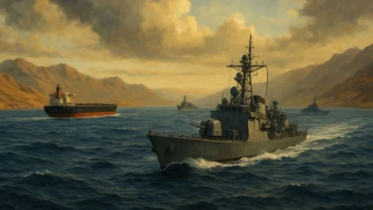
The most notable aspect of the Muscat talks was the shadow of a military presence at the negotiating table. For the first time, the US delegation included Admiral Brad Cooper, commander of US Central Command, in full military uniform. The talks came just days after US forces shot down an Iranian drone that was approaching the USS Abraham Lincoln in the Arabian Sea.
Tehran said the diplomacy was nothing more than an “ultimatum” in the face of threats. President Trump, on the other hand, called the meeting “very good” and claimed that Iran was desperate for a deal, because otherwise the consequences would be very dire.
In addition to the Omani mediators, Egypt, Turkey and Qatar are also said to have proposed a framework in the back of the talks. According to this proposal, Iran is asked to stop enriching uranium for three years and send highly enriched uranium out of the country.
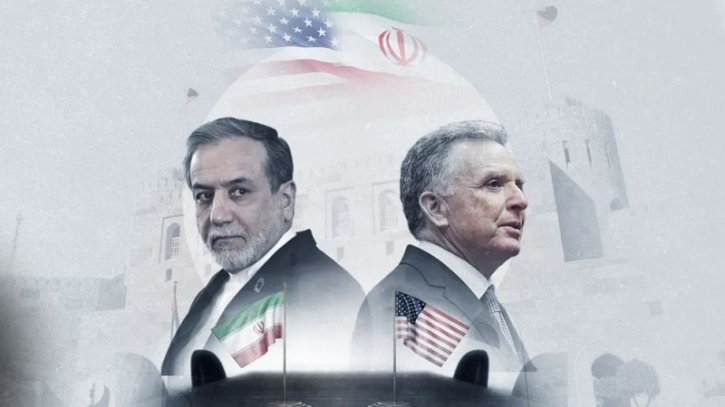
Although Iran has rejected these proposals, a major change has been seen in the direct meeting between Steve Witkoff and Jared Kushner and Iranian Foreign Minister Abbas Araghchi. Breaking with a long tradition of indirect talks, the direct contact suggests that both sides are willing to go to a more technical and in-depth level of bargaining.
But a crisis of trust remains the biggest obstacle to the talks. Within hours of the Oman meeting, the United States imposed new sanctions on Iran's oil trade, raising questions about Tehran's sincerity in the talks.
The coming weeks will determine whether the Muscat dialogue actually lays the foundation for a lasting agreement or is simply buying time before a major military conflict. The fact that both sides have agreed to sit down again despite the trust deficit and military pressure is a sign of some relief in the volatile geopolitics of the Middle East.
Al Jazeera's opinion
.png "Advertisement")