.png)
US oil stocks at rock bottom, yet prices are falling
Published: 09:18 PM, 30 June 2026
The US strategic oil reserves have fallen to their lowest level in more than four decades. Normally, in such a situation, crude oil prices should rise in the international market, but in reality, the opposite is happening. On the one hand, the impact of the war has put pressure on global energy supplies, and on the other hand, there is cautious optimism in the market surrounding possible US-Iran talks. As a result, although supplies have been squeezed, oil prices have remained low.
According to a report by the news agency Reuters, according to the latest data from the US Department of Energy, the country's Strategic Petroleum Reserve (SPR) has released another 5.5 million barrels of oil, bringing total reserves to 325.7 million barrels. This is the lowest since May 1983. The reduction in reserves is being part of a plan to release a total of 172 million barrels of oil from the SPR to address global supply shortages and control energy prices after the Iran war.
Not only strategic stocks, but also strong exports and high demand from refineries have also seen U.S. commercial crude oil inventories fall rapidly in recent weeks. Since the war began in late February, the country's total oil reserves, both commercial and strategic, have fallen by 111.4 million barrels to 743.3 million barrels as of June 19, the lowest level since 1984.
However, the supply reduction is having the opposite effect on oil prices. Crude oil prices fell further on Tuesday, signaling a second straight month of bearish sentiment.
Brent crude for August delivery fell 0.9 percent to $72.51 a barrel, about 22 percent below last month's closing price. At the same time, U.S. West Texas Intermediate (WTI) crude fell 0.6 percent to $70.36 a barrel. WTI prices have fallen by about 19 percent since the end of May.
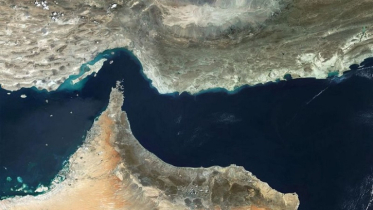
According to market analysts, the main reason for this decline is the expectation of a possible easing of geopolitical tensions. Amid the four-month conflict, potential talks between the United States and Iran in Doha, Qatar, and optimism about the normalization of oil transport through the Strait of Hormuz are having a positive impact on investor sentiment. Tim Waterer, chief market analyst at KCM Trade, said that the market has not yet fully recovered. However, investors are waiting for tangible signs of easing tensions.
Meanwhile, Iran said that talks with Oman on redefining shipping routes through the Strait of Hormuz will begin. However, Tehran has made it clear that there are no formal meetings planned with the United States in the next few days. On the other hand, concerns are also growing about weak demand from China, the world's largest crude oil importer. The lack of clear signs of a significant increase in its imports is putting additional pressure on oil prices in the international market.
Despite the situation, Middle Eastern producers have continued to export oil and LNG. Despite recent attacks on ships and renewed military tensions, shipping traffic in the Strait of Hormuz last week reached its highest level since the start of the war.
.png "Advertisement")