.png)
Elections to determine future course of Bangladesh-India relation
Published : 07:52 PM, 8 January 2026
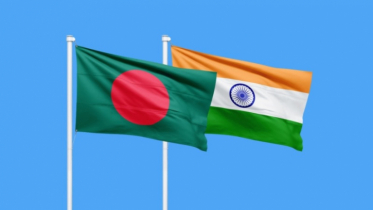
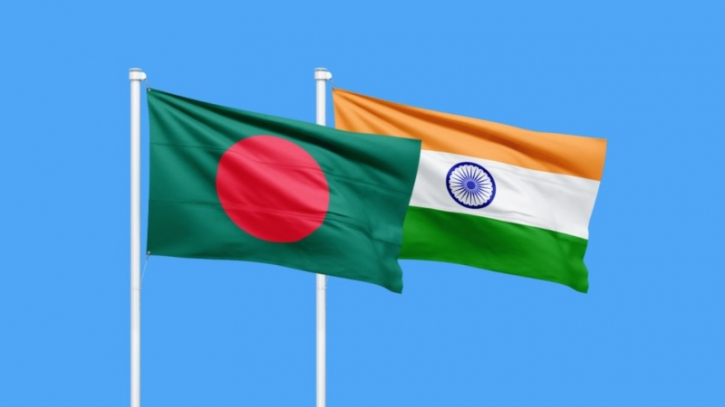
Relations between Bangladesh and India are at rock bottom.
Bangladesh's interim government has banned the broadcasting of the Indian Premier League (IPL). The decision was taken shortly after the Kolkata Knight Riders dropped Bangladesh's star pacer Mustafizur Rahman from the team. No official reason was given for Mustafiz's exclusion. However, Indian media reports said that the decision was made on the instructions of India's main cricket governing body (BCCI). Meanwhile, the Bangladesh Cricket Board (BCB) has announced that they will not play any matches in India in the upcoming T20 World Cup.
Cricket has always acted as a unifying force in South Asia (with a few exceptions). However, recent developments have made the deep tensions between Bangladesh and India even more evident on the cricket field. Relations between the two countries have become tense since the ouster of former Bangladesh Prime Minister Sheikh Hasina in the face of a mass uprising by students and the public in 2024. But the relationship has reached a “risky” point just weeks before Bangladesh’s parliamentary elections on February 12.
The main reason for the tension is the two countries’ views on each other. A large section of Bangladeshis believe that India has long interfered in the country’s domestic politics and foreign policy. On the other hand, India sees Sheikh Hasina’s ouster as a new opportunity for hardline Islamist groups and other forces hostile to India’s interests.
Recent events have reinforced these perceptions. India has granted Sheikh Hasina asylum, allowed her to speak publicly, and refused to extradite her to Bangladesh. Last November, a Bangladeshi court sentenced Sheikh Hasina to death for crimes against humanity in the 2024 security crackdown that killed hundreds of people.
Similarly, some student leaders in Bangladesh have railed against India. One of them, Osman Hadi, was shot dead last month. Bangladeshi police claim that two suspects involved in the killings have fled to India, although no information has been given about their motives.
Despite everything, Bangladesh's elections could open a possible path to a breakthrough. India has said it is ready to work with any elected government. India's relations with the Bangladesh Nationalist Party (BNP), which is leading in the election race, have historically been somewhat sour. However, after breaking its long-standing alliance with the Islamist party Jamaat-e-Islami, the BNP has now become relatively acceptable to Delhi.
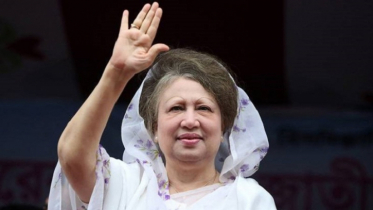
After the death of BNP chairperson and former prime minister Khaleda Zia last month, Indian Prime Minister Narendra Modi sent a warm message of condolence to her son Tarique Rahman. Indian Foreign Minister S. Jaishankar visited Dhaka to express his condolences on Khaleda Zia's death. This is seen as India moving forward with a strategy to improve relations with the BNP before the elections.
On the other hand, BNP acting chairman Tarique Rahman has called for national unity. According to analysts, this may be an attempt to indirectly reassure India that his government will work to protect Bangladesh's minorities.
However, the question remains whether the internal political realities will stand in the way of a compromise between the two countries. Bangladesh’s dominant Islamist groups are rejecting ties with India, narrowing the political space for any new government in Dhaka. On the other hand, the stakes for Modi, who remains widely popular in the country, are relatively low.
Notably, in recent speeches, top BNP leaders, including Tarique Rahman, have used tough language. The party’s secretary general has insisted that good relations with India are possible only on the “basis of equality.” Last October, Tarique Rahman remarked that the people of Bangladesh “have decided that relations with India will remain cold. So I have to stand by the people of my country.” The Bangladesh elections could provide an opportunity to rebuild relations between the two countries, but it will only happen if both governments are prepared to take political risks.
.png "Advertisement")