.png)
Iran could launch a major attack on Israel in October
Published: 09:27 PM, 24 August 2026
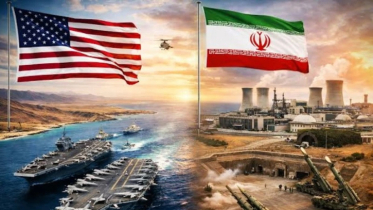
The situation for Tehran is getting increasingly difficult, even before US Treasury Secretary Scott Besant announced new measures to pressure Iran's economy. President Donald Trump is clearly in the lead in this fight; his main task is simply to stand firm in his position while the enemy tries to retreat.
Most importantly, oil transport through the Strait of Hormuz has now resumed, meaning that Tehran's attempt to close the strait has failed.
Meanwhile, Iran's neighbors, which Tehran has been attacking for a long time, have also taken a tough stance. The United Arab Emirates, Iran's largest trading partner, has completely suspended all transactions, including financial ones, since last week.
Dubai was Tehran's main hub for evading sanctions for decades; at the same time, more than a third of Iran's total imports came through the city.
Amid widespread unemployment and various crises, inflation in Iran had exceeded 90 percent. As a result, the government was struggling to pay regular salaries to the country's regular army.
Now it is even expected to have a severe economic impact on the Revolutionary Guard—putting the very foundation of this ruling class at risk.
The news that came on Friday is significant. Oil tankers are once again moving through the Strait of Hormuz, under the watchful eye of the US Navy. About 200 ships a week (and counting) are now safely passing through, a nearly 400 percent increase from just two weeks ago.
This rate is still lower than pre-war levels, but it is sufficient to keep fuel prices under control, thanks to changes in production and export routes in other parts of the world—although prices remain slightly higher than January levels.
Iran's leaders are now back to playing the old game of 'good cop, bad cop'. One group of their representatives is foaming at the mouth with threats, while another group claims that they want peace and are offering talks. But if Washington responds to this 'offer', they will start demanding concessions from the US before they can even pretend to have any meaningful talks.
Tehran is essentially using this move to support the narrative crafted by Trump's domestic critics, which is that Iran's leadership was eager for a lasting peace, but the US-Israeli attacks have killed off the so-called moderates and "hardliners have seized power." Therefore, to defeat these hardliners, it will have to make deals with the remaining "moderates" so that they can oust the "extremists."
The Iranian regime has been playing this strategy over and over again for decades, in various forms. But Western liberals (especially the media) fall for it every time, even though these "good cops" have never actually brought about any positive change.
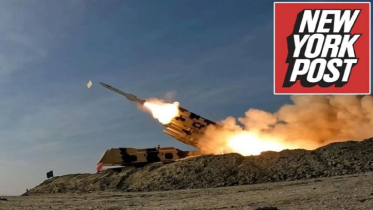
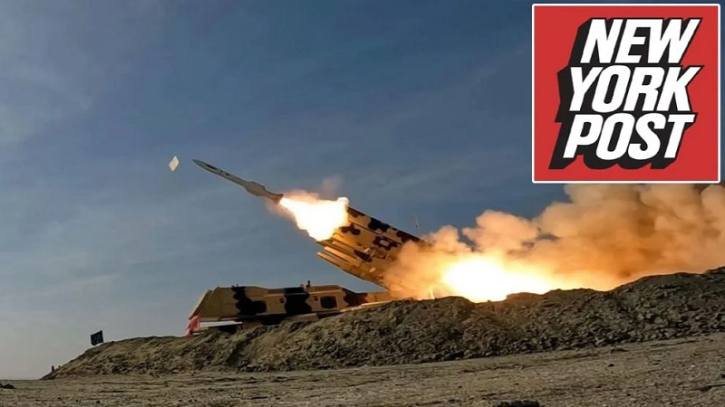
As Mark Dubowitz warned in The Post last week, Tehran could make one last major move in this strategy: a major attack using its stockpiled missiles, drones and cyber capabilities in late October, just before the Israeli and US elections.
Their goal will be to create extreme fear among voters in both countries, so that Prime Minister Benjamin Netanyahu is ousted from power in Israel and Democrats gain a clear majority in Congress in the United States, allowing them to block the Pentagon budget and leave Trump hanging in the middle of a new impeachment inquiry.
Trump and his administration should warn the American people about this potential scenario in advance. They need to be told that Iran is now at a standstill; but they still have some power left in their hands and they will do their best to break our morale.
The two sides are now at the final stages of a face-to-face confrontation—so now is not the time for Washington to back down or avert its eyes.
.png "Advertisement")