.png)
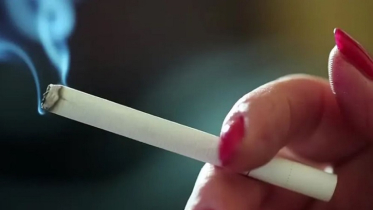
While smoking among men has declined, the number of female smokers is increasing in Pakistan

Published: 09:46 PM, 22 August 2026
While the smoking rate among men in Pakistan has declined significantly over the past decade, the trend among women has increased at an alarming rate. Samaa TV reports.
Data from 2014 to 2024 shows that the rate of male smokers has decreased from 22.2 percent to 15.8 percent during this period. However, the rate of female smokers has increased from 2.1 percent to 3.3 percent during the same period.
The positive picture of smoking reduction that the country's overall national statistics show covers the real differences within different demographic groups. This recent data makes it clear.
According to statistics, the rate of male smokers in Pakistan was 22.2 percent in 2014, which has decreased to 15.8 percent in 2024. This indicates a relative decrease of about 29 percent. This achievement is a positive sign that a decade-long tobacco control policy and various awareness measures have played an effective role in stopping men from smoking.
The opposite picture has been seen for women. During the same period, the smoking rate among women has increased from 2.1 percent to 3.3 percent, a relative increase of about 57 percent. Although the number of women smokers overall is still much lower than that of men, women are the only group that is showing a reversal of this positive trend in smoking reduction nationally.
This contrast demonstrates how important it is to analyze smoking patterns by gender separately, rather than relying solely on a national average.
To easily highlight these changing patterns of smoking, ‘Gallup Pakistan Digital Analytics’ has launched a new dashboard—‘Pakistan Tobacco Insights’.
This platform brings together data from the Global Adult Tobacco Survey and the Global Youth Tobacco Survey over the past 10 years, allowing interested parties to gain in-depth insights into various aspects of tobacco.
This dashboard provides information on smoking rates by age and gender, as well as the impact of secondhand smoke in different settings. It also provides a snapshot of cigarette price trends and public opinion on tobacco policy.
.png "Advertisement")