.png)
Rohingya Crisis Must Not Be Forgotten, UN Says
Published: 01:27 AM, 25 September 2026
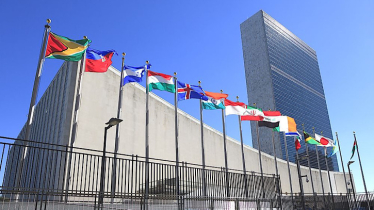
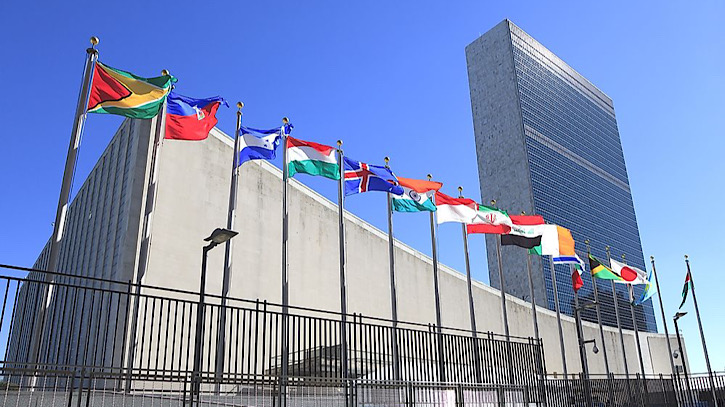
The Rohingya crisis returned to the center of international attention at the United Nations this week, with Bangladesh and UN officials calling for stronger international support and a clear path toward a lasting solution for the refugees.
Nearly 1.2 million Rohingya refugees are now living in Bangladesh, most of whom fled Myanmar following the military crackdown in Rakhine State in 2017. Bangladesh is also facing new arrivals, with around 150,000 Rohingya entering the country since early 2024, according to the United Nations.
The growing number of refugees has placed additional pressure on Bangladesh and on host communities in Cox’s Bazar, where humanitarian agencies are already struggling with limited resources. For 2026, the UN and its partners have appealed for $710.5 million to provide essential assistance to Rohingya refugees and host communities.
Bangladesh calls for a clear roadmap
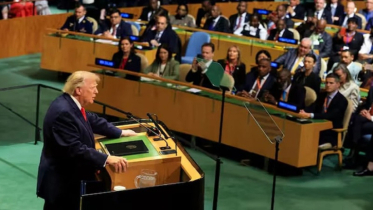
Speaking at a high-level side event at UN Headquarters on September 23, Bangladesh Prime Minister Tarique Rahman said humanitarian assistance alone cannot resolve the crisis. He called for a clear and credible roadmap for the early, safe, voluntary, dignified and sustainable repatriation of the Rohingya.
He proposed five areas for urgent international action: establishing a roadmap for repatriation; ending violence and guaranteeing the rights and security of the Rohingya; ensuring adequate and predictable humanitarian support; strengthening justice and accountability; and increasing regional and international cooperation against trafficking, illegal arms, digital scams, the narco-economy and other transnational crimes.
UN High Commissioner for Refugees Barham Salih said the conditions required for voluntary, safe, dignified and sustainable return to Myanmar do not yet exist. He stressed that return must involve more than crossing the border, including rights, freedom of movement, education, employment, essential services and a pathway to citizenship.
UN General Assembly President Khalilur Rahman also urged the international community to keep the Rohingya crisis on its agenda and maintain support for both the refugees and the communities hosting them. UN Special Envoy on Myanmar Julie Bishop spoke about the wider situation in Myanmar and the need for conditions that would allow safe return.
The Gambia’s Vice President Muhammad B. S. Jallow also emphasized international cooperation and accountability as part of efforts toward a lasting solution. The event brought together officials and representatives from countries and international organizations involved in efforts to address the crisis.
Conditions for return remain uncertain
For Bangladesh, continues to seek the safe and sustainable return of the Rohingya to Myanmar. But the UN has repeatedly said that the conditions needed for such a return have not yet been established.
Those conditions include security, basic rights, freedom of movement, access to education and livelihoods, and a credible pathway to citizenship. Until those conditions are in place, humanitarian assistance remains essential.
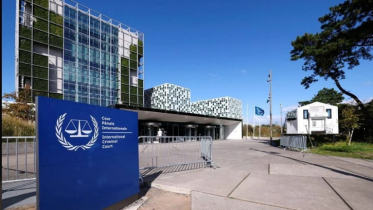
International efforts toward justice and accountability are also continuing. Proceedings at the International Court of Justice and other international mechanisms have kept the issue of accountability for serious crimes against the Rohingya on the international agenda.
A crisis entering its ninth year
Nearly nine years after the mass displacement of the Rohingya, the crisis remains unresolved. Bangladesh continues to host the vast majority of the refugees while facing the economic, social and humanitarian pressures associated with the prolonged displacement.
The latest discussions at the United Nations highlighted a central challenge: humanitarian assistance is necessary to keep refugees safe, but a lasting solution will require political action, improved conditions in Myanmar, accountability and a credible process for voluntary return.
.png "Advertisement")