.png)
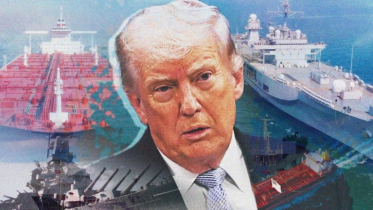
Trump’s new strategy to subdue Iran with economic pressure, not war
Published: 04:18 PM, 21 August 2026
US President Donald Trump has announced a new strategy against Iran by threatening massive economic pressure. In a post on his social media account Truth Social last Wednesday, he announced unprecedented economic measures to isolate Iran and warned other countries doing business with the country of severe consequences.
However, even after Trump's tough announcement, the question is how steadfast he will be in this position in the end if political pressure and economic costs continue to increase. In the past, Trump has taken several tough steps and threats on the Iran issue, and there are precedents of backing down from those positions. As a result, it remains to be seen how long the economic warfare strategy announced this time will be effective.
After failing to force Iran to surrender by bombing or to hold nuclear talks with them through a memorandum of understanding, Trump's new strategy is being seen as an attempt to save face. The Trump administration has informed political allies that all talks with Iran have been stopped.
At the same time, a long-term economic war has been chosen to ensure that the country fully surrenders. In a statement, Trump said that strict action will be taken against financial institutions, businesses, airports or government agencies that provide any kind of benefits to Iran. He also urged the immediate closure of all channels such as oil smuggling, money transfers, fake companies and ship registrations.
Daniel Citrinovich, former head of the Research and Analysis Department of Israel Defense Intelligence, said that it would be a grave mistake to think that Iran will collapse even under severe economic pressure. Tehran's strategy of putting pressure on international markets shows no sign of changing, and despite the economic losses, Iran's basic political position will ultimately not change.
According to analysts, long-term strategic patience will be required to implement Trump's plan. In addition, a major diplomatic effort involving allies in Europe, Asia and the Middle East is needed to cut off Iran’s Islamic Revolutionary Guard Corps (IRGC) finances and regional proxy networks.
Hudson Institute senior fellow Ludovic Hood believes that Treasury Secretary Scott Besant should increase economic pressure on China, Iran’s largest oil buyer. However, there is great doubt that Washington will take such a step before the possible visit of Chinese President Xi Jinping to the United States in September.
Meanwhile, Iran also has a political opportunity to retaliate with just two months before the upcoming US midterm elections. Tehran could try to directly pressure US voters by raising oil prices on the world market through new drone or missile attacks on commercial ships in the Strait of Hormuz.
Democratic Representative James Walkinshaw said on this subject that he is not interested in an economically draining war where the American people pay the ultimate price at the gas station and grocery store. As a result, it is still a big question whether Trump's new economic war will ultimately bring an effective solution, or whether he will back down under political pressure.
Source: CNN
.png "Advertisement")