.png)
The differences between the strategies of the two heads of state regarding the Iran deal
Published: 08:04 PM, 19 June 2026
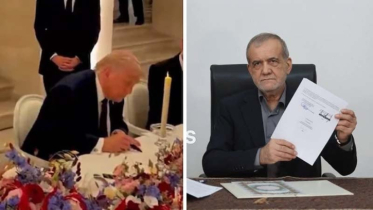
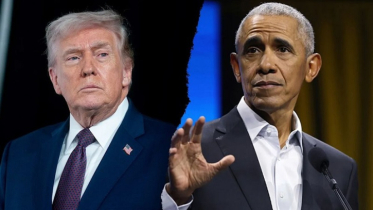
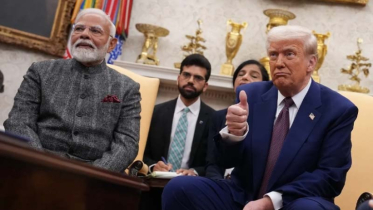
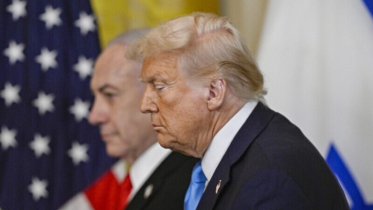
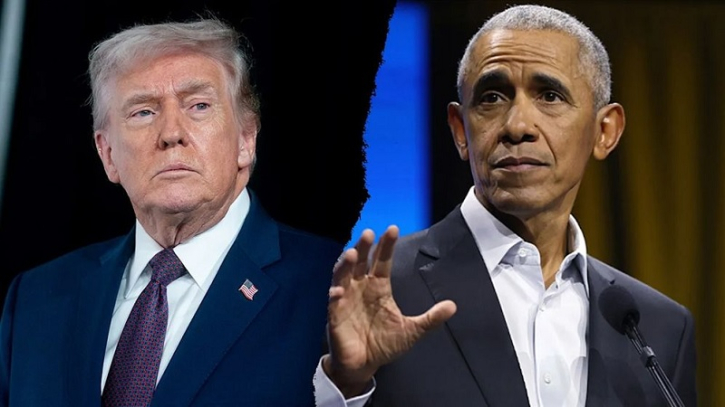
Recently, US President Donald Trump has claimed that his recent agreement with Tehran is more advanced and effective than the agreement made by Barack Obama in 2015. However, the opposition has refuted Trump's claim, saying that Trump has given more benefits to Iran than Obama and has achieved very little in return.
In fact, comparing these two agreements, it can be seen that there is a stark difference between them.
Barack Obama's agreement was a final and detailed document, known as the 'Joint Comprehensive Plan of Action'. The deal, more than 160 pages long, had the specific goal of tightly controlling Iran's nuclear program. Trump canceled it in 2018, calling it "horrendous".
On the other hand, Trump's current 'Memorandum of Understanding' is not a final deal. It is a 14-point outline of just one-and-a-half pages, developed after weeks of deliberation.
It has set a 60-day deadline for negotiations to implement a comprehensive deal aimed at ending the four-month-old war. However, many complications remain over the nuclear program, the lifting of sanctions and the future of the Strait of Hormuz.
Multilateral vs Bilateral Diplomacy
Obama's talks were multilateral. He negotiated this agreement with China, France, Germany, Russia, Britain and the European Union for almost two years. In contrast, Trump has gone the full bilateral route—where negotiations are limited to the United States and Iran.
Nuclear Program Control
In both agreements, Iran made a written commitment never to develop nuclear weapons. But Obama's deal contained strict limits on Iran's uranium enrichment, preventing it from easily building a nuclear bomb. The International Atomic Energy Agency also confirmed Iran's compliance with the deal until Trump canceled the deal. While Obama's agreement included stricter international inspections, Trump's current memorandum of understanding does not mention any such inspections in the future.
Trump's current interim deal offers only a general path toward curbing Iran's nuclear program, but contains no specific commitments from Iran beyond 60 days of negotiations. But Iran has indicated that it will destroy its high-enriched uranium stockpile in remote areas under IAEA supervision, but the final decision has been left to further negotiations.
Sanctions and frozen funds
The two agreements have also taken different paths in terms of lifting embargoes and obtaining refunds of embargoed funds. The Obama administration eased the sanctions step by step after specific conditions and scrutinizing Iran's every move.
But Trump's deal made major concessions to Iran early on. As a result, Iran is getting an immediate opportunity to export oil. It also opened the way for the return of billions of dollars in frozen funds, the exact timeline of which remains unclear.
The Trump administration has even announced plans to set up a $300 billion fund with Middle Eastern allies for Iran's economic development, the terms of which remain murky.
Trump has criticized Obama in the past over the Obama administration's return of $1.7 billion in Iranian funds that had been withheld since 1981. But now Trump himself is creating an opportunity to give Iran many times more money than he should have—which has angered even hard-liners in Trump's own party, the Republican Party.
Strait of Hormuz crisis
Obama's deal focused solely on the nuclear program. Because the Obama administration felt that adding other regional issues would destroy the deal.
On the other hand, the accord is a diplomatic effort to stop the major shock to the global economy caused by the four-month war between Trump and Israel. One of its main objectives is to re-open the Strait of Hormuz, an important oil transport route that was closed by Iran.
However, Iran is demanding more control in this system than before the war, which may become a big obstacle in the final negotiations in the coming days.
Source: Geo News
.png "Advertisement")