
.png)
What is kidney cancer? 7 common misconceptions and facts
Published: 08:39 PM, 19 June 2026
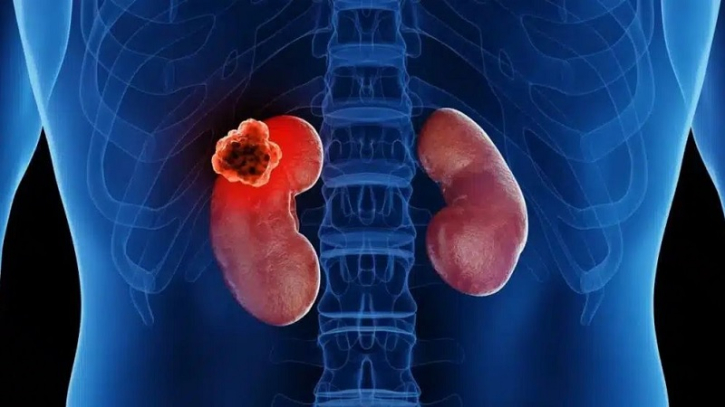
Despite being one of the 10 most common cancers in the world, there are various misconceptions about kidney cancer among the general public.
Many people think that all kidney cancers are the same, that it is always hereditary or that having this disease means that the entire kidney has to be thrown away.
According to doctors, the real picture is completely different. The treatment and diagnosis of this disease have changed drastically in the last two decades.
Dr. Amit Bansal, Senior Consultant, Department of Uro and Uro Oncology, Fortis Hospital, India, said, “It is important to understand the complexities and types of kidney cancer rather than seeing it as a single disease. If caught in its early stages, effective treatment is possible in most cases.”
Below are 7 major common misconceptions about kidney cancer and the facts behind them:
Misconception-1: All kidney cancers are the same
Fact: Kidney cancer is not a single disease, it is divided into several subtypes based on its various components. Renal cell carcinoma accounts for about 90 percent of kidney cancers in adults. Of these, clear cell renal cell carcinoma is the most common (about 70 to 75 percent). Its behavior and treatment methods vary depending on the type of cancer.
Myth-2: Kidney cancer affects everyone equally
Fact: Certain groups of people are at higher risk of developing this disease. It is usually diagnosed in people aged 55 to 74 and more often in men than women.
Major risk factors: Smoking, obesity, high blood pressure, chronic kidney disease, prolonged dialysis, and certain hereditary genetic defects significantly increase the risk of this cancer.
Myth-3: Kidney cancer is hereditary
Fact: Most kidney cancers are not hereditary. According to doctors, only 5 to 10 percent of cancers overall are hereditary or genetic. In the case of kidney cancer, this rate is even lower. In most people, this disease occurs due to a sudden change in DNA at some point in life.
Myth-4: There is a regular screening test for kidney cancer
Fact: There is no regular screening test for kidney cancer for normal and healthy people, like breast cancer (mammography) or prostate cancer. Doctors usually recommend screening only when someone has certain hereditary syndromes in their family. In most cases, kidney tumors are suddenly detected during an ultrasound or CT scan for another disease.
Myth-5: In case of this cancer, the entire kidney has to be removed
Fact: The current medical system is very modern and precise. Although earlier removing the entire kidney (radical nephrectomy) was a regular occurrence, now doctors surgically remove only the affected part, which is called partial nephrectomy, depending on the size and location of the tumor. As a result, the rest of the kidney is protected. In addition, modern treatments such as thermal ablation, immunotherapy, and targeted therapy are now readily available.
Myth-6: Kidney cancer and common kidney disease are the same
Fact: These are two completely different health problems. Kidney disease is when the filtering ability of the kidneys decreases due to diabetes or high blood pressure.
On the other hand, kidney cancer is when a tumor forms due to abnormal cell growth inside the kidneys. However, yes, having chronic kidney disease can slightly increase the risk of kidney cancer.
Myth-6: Kidney cancer is contagious
Fact: Kidney cancer is not an infectious or contagious disease. This disease can never be spread to someone else's body by touching, sharing food with, or being close to an affected person. It mainly occurs due to changes in the DNA inside the body.
Finally, thanks to the advancement in medical science, the diagnosis and cure rate of kidney cancer is much better than before. To prevent this disease, it is most important to be aware of the symptoms, lead a healthy lifestyle, and seek expert medical advice at the right time.
Source: NDTV
.png "Advertisement")