.png)
Is Iran really a nuclear power, how acceptable is the US claim?
Published: 06:39 PM, 2 March 2026
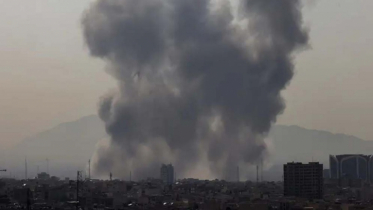
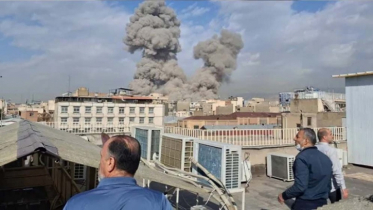
The US and Israel have killed the country's supreme religious leader Ayatollah Ali Khamenei in an attack on Iran. Numerous people in Iran have been killed in air and missile attacks since Saturday.
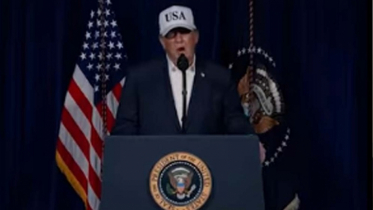
Regarding the justification for the attack, US President Donald Trump said on Saturday morning that the aim of the operation was to prevent Tehran from acquiring nuclear weapons and to eliminate the imminent threat of the Iranian regime. He also indicated that regime change was also one of the goals of the attack.
He told the Iranian opposition group, "When we are finished, you take over your government. This will be for you. This may be your only chance in generations."
Israeli Prime Minister Benjamin Netanyahu said that the attack would give the brave Iranian people the opportunity to determine their own destiny and remove the yoke of dictatorship.
Israel's defense minister described it as a "preemptive" attack in light of the threat against the country.
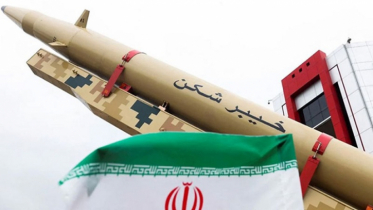
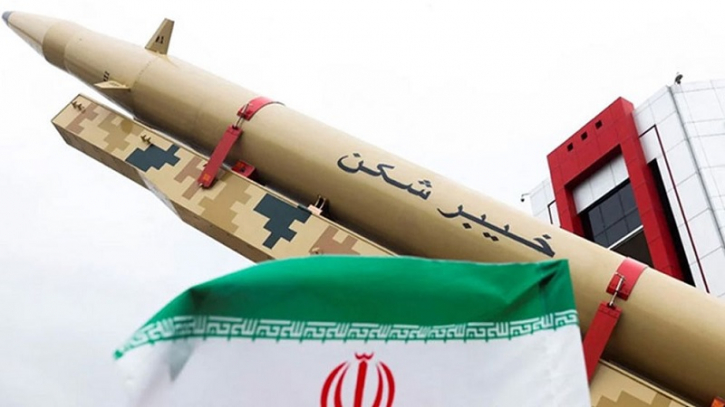
One of the rationales for the operation was to prevent Iran from acquiring nuclear weapons. But there is no evidence that Iran is developing nuclear weapons. Iran has consistently said its program is for civilian purposes.
The foreign minister of Oman, the main mediator in the US-Iran talks, said on Friday that Iran had formally agreed that it would never possess nuclear material capable of producing a bomb.
Neither US intelligence agencies nor the UN nuclear watchdog have found evidence that Iran is developing nuclear weapons.
“Iran does not yet have nuclear weapons, and if it were to use them, there is no evidence that they would use them,” Milanovic said.
Is Iran’s retaliatory strike legal?
Milanovic said Iran could exercise its right to self-defense, but it must be necessary and proportionate. He said that attacking the territory of a third state, such as Saudi Arabia, which was not involved in the attack, is problematic.
Source: Middle East Eye
.png "Advertisement")