.png)
FIFA’s New Tiebreak Rule Reshaping World Cup Group-Stage Dynamics
Published: 10:54 PM, 20 June 2026
Under the previous system, teams level on points were separated primarily by goal difference. This meant that scoring more goals and securing large-margin victories could prove decisive in determining final standings.
This year, however, FIFA has given priority to head-to-head results. If two teams finish level on points, the first criterion is now the result of the match played between those teams. Goal difference is only considered if the head-to-head encounter ended in a draw.
The implications of the new rule have already been felt, with Haiti and Turkey becoming the first notable victims of the revised format.
Mathematical Hope, Practical Elimination
The exits of Haiti and Turkey have perfectly illustrated how the new system works.
Both teams were only three points behind the third-placed sides in their respective groups and still had a mathematical chance of drawing level on points with a victory in their final group match.
However, they had already lost their direct encounters against those teams earlier in the tournament. As a result, even if they were to finish level on points, the head-to-head rule would keep them below their rivals in the standings.
Consequently, both nations were effectively eliminated before playing their final matches, as there was no longer any pathway for them to move above the teams directly ahead of them.
Group Winners Confirmed After Just Two Matches
The new regulations have also made it possible for teams to secure first place in their groups before the final round of fixtures.
Under the old system, even teams that won their first two matches often had to wait until the last group game to officially confirm top spot because goal difference could still alter the standings.
Now the situation is different.
If a team wins its first two matches to reach six points and has already defeated the nearest challenger currently on three points, it can mathematically secure first place before the final matchday.
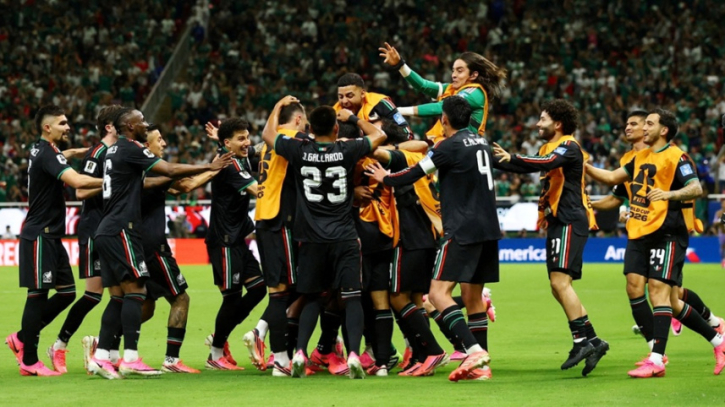
Mexico provide a perfect example in Group A. After winning their opening two matches, they sit on six points, while second-placed South Korea have three.
Since Mexico defeated South Korea in their head-to-head meeting, they would remain above the Asian side even if Mexico lost their final match and South Korea won theirs, leaving both teams level on six points. The head-to-head result would still favour Mexico.
As a result, Mexico have already guaranteed themselves top spot in the group.
Potential Consequences
The revised rule could have several important consequences for the remainder of the tournament.
Reduced Importance of Final Matches
Teams that secure group victory after only two matches may have little at stake in their final fixture. This could reduce the competitive intensity of some games.
Player Rotation and Fairness Concerns
With qualification and first place already secured, coaches may choose to rest key players ahead of the knockout stage. While this strategy benefits the qualified team, it could indirectly affect the fortunes of other nations competing within the same group.
Less Reward for Huge Victories
According to FIFA, the new system is designed to be fairer and more logical. In previous tournaments, teams could gain a substantial advantage by recording extremely lopsided wins, such as 7-1 or 8-0 scorelines, against weaker opponents.
Under the new format, those results carry less weight because direct encounters between tied teams now take precedence over goal difference.
A New Strategic Reality
The change is forcing teams to rethink their approach to the group stage.
Success is no longer determined primarily by scoring as many goals as possible or building a superior goal difference. Instead, direct victories against key rivals have become the most valuable currency in the race for qualification.
As the tournament progresses, the new head-to-head rule is likely to continue influencing team selection, match strategy and qualification scenarios, making direct confrontations more important than ever before.
MMR
.png "Advertisement")