.png)
US sanctions ICC after Nobel Peace Prize announcement
Published: 08:58 AM, 10 October 2026
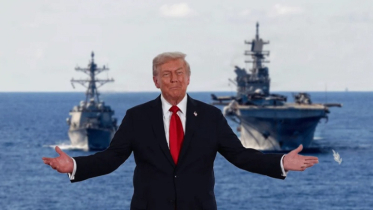
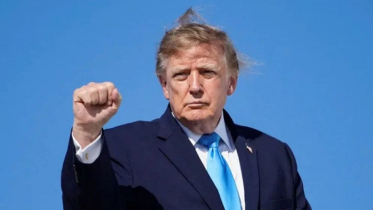
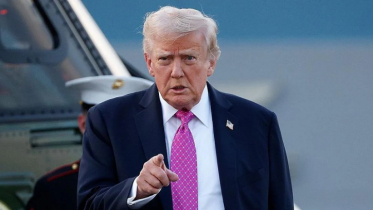
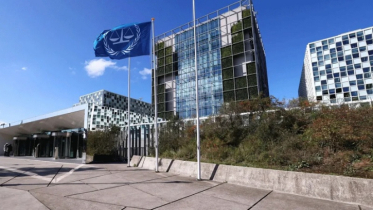
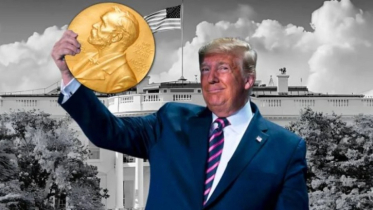
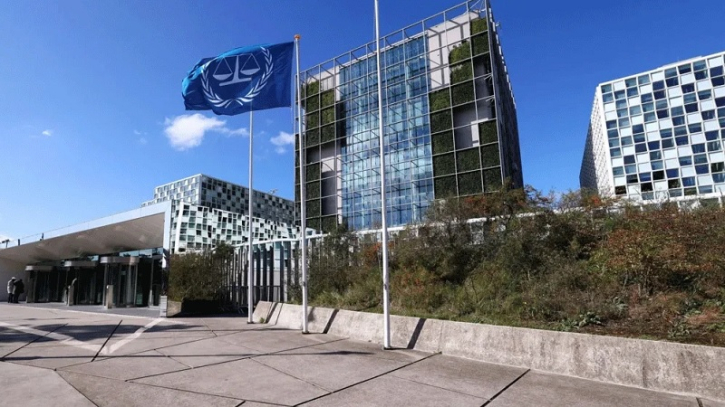
The administration of US President Donald Trump has imposed sanctions on the International Criminal Court (ICC) just hours after former judge Navi Pillay won the Nobel Peace Prize.
The move, which took place on Friday (October 9) local time, has pushed Washington into a diplomatic conflict with its European allies, Reuters reported.
The ICC called the US move an "attack on the rule of law and the fundamental foundations of the international legal system," and called on its 125 member states to take action to protect the court.
In a statement, the ICC said, "The court cannot survive alone. Its fate now also depends on the states that founded it. This is not just a matter of protecting an institution, but of protecting the international system founded on the rule of law."
The Trump administration has long been hostile to the court, established in 2002 to try war crimes, crimes against humanity and genocide, and has previously imposed sanctions on its prosecutors and judges.
But the latest move is far more significant, as it could potentially expose institutions that provide services to the ICC to sanctions. It is an unprecedented blow to an institution established on the basis of international treaties. The United States initially signed the Rome Statute that established the court, but never ratified it.
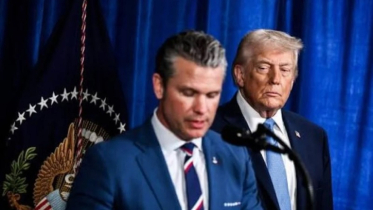
In a statement, US Secretary of State Marco Rubio said, "President Trump will never allow the International Criminal Court to try any Americans."
He added, "That is why the United States has imposed sanctions on the International Criminal Court. We will prohibit all transactions with this rogue court, cut off their access to assets or funds, and cripple their ability to operate."
Exemption period from the ban
The US Treasury Department has imposed the ban with an initial six-month grace period. It also includes exemptions in some cases, allowing telecommunications, software, pensions and some transactions to continue.
Rubio said the sanctions are designed to give the court and its member states a chance to address U.S. concerns. If those demands are not met, the terms of the sanctions could be changed.
Washington has been sharply critical of the ICC over its arrest warrants for Israeli officials, including Prime Minister Benjamin Netanyahu, and its investigation into US military operations in Afghanistan. However, the ICC has said it is now giving the Afghanistan investigation a "low priority."
"The purpose of this ban is to undermine the rule of law and the functioning of an independent judicial institution at the international level. Our activities will continue," ICC Deputy Prosecutor Nazhat Shamim Khan told Reuters.
The European Union's foreign policy chief, Kaza Kallas, said the six-month period allowed for negotiations. But he added that the bloc had the necessary alternative measures in place to ensure the ICC could continue its important work. Belgium's foreign minister called for the EU's anti-sanctions law to be implemented to protect the court.
The ICC has issued arrest warrants for more than 70 people, including world leaders and key figures involved in global conflicts. The agency has also moved to arrest top Hamas leaders in addition to Netanyahu.
Those against whom arrest warrants were issued included Russian President Vladimir Putin, former Sudanese President Omar al-Bashir and former Libyan leader Muammar Gaddafi. Charges against Kenyan President William Ruto and former President Uhuru Kenyatta were dropped.
.png "Advertisement")