.png)
UN Adopts New Declaration on Rising Sea Levels
Published: 09:05 AM, 25 September 2026
The UN General Assembly has adopted a new political declaration calling for stronger international action as rising sea levels threaten coastal communities, island nations and major population centers around the world.
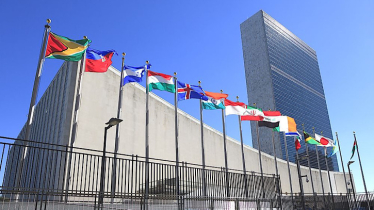
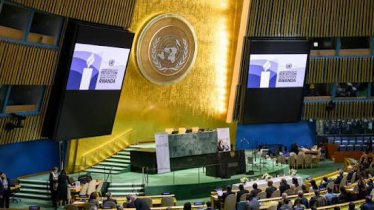
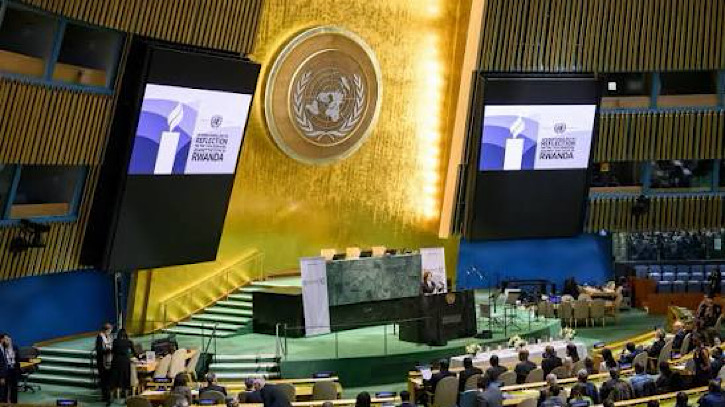
The declaration was adopted Thursday at a high-level meeting at UN Headquarters in New York focused on the growing threat posed by sea-level rise. World leaders, government representatives and experts discussed the effects on communities, infrastructure, economies and countries whose territory lies only a few meters above sea level.
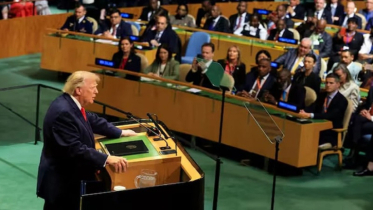
UN General Assembly President Khalilur Rahman said rising seas are no longer only an environmental concern. They are affecting where people can live, how communities earn a living and how countries protect critical infrastructure.
According to UN figures, the rate of global mean sea-level rise increased from about 2.1 millimeters a year between 1993 and 2002 to 4.7 millimeters a year between 2015 and 2024. About 900 million people now live in low-lying coastal areas, and more than one billion could face coastal risks by 2050.
The threat is not limited to small island states. New York City is also exposed. According to the UN General Assembly President, sea levels around the city could rise by as much as 1.3 meters by the end of this century, with the possibility of greater increases if Antarctic ice loss accelerates.
Rising seas are already contributing to coastal flooding, erosion and saltwater intrusion. These changes can damage homes, roads, ports, water supplies and farmland, while making it harder for coastal communities to maintain their livelihoods.
For low-lying island countries, the consequences can go beyond physical damage. Tuvalu, Kiribati and the Marshall Islands are among the countries facing serious risks as higher seas and stronger coastal hazards threaten inhabited land and infrastructure.
Protecting the future of island states
One issue receiving particular attention at the UN is what happens to countries whose territory becomes increasingly difficult to inhabit.
The loss of land does not necessarily mean that a country should lose its sovereignty, national identity or rights under international law. The UN has highlighted the need to address the legal and political questions that could arise as some island states face the loss of habitable land.
The economic cost is another concern. Developing countries face a large gap between what they need to adapt to climate change and the financing currently available.
Khalilur Rahman said developing countries could need between $310 billion and $365 billion a year for climate adaptation by 2035. In 2023, international public adaptation finance for developing countries was about $26 billion, according to figures cited at the meeting.
The discussions also focused on practical measures, including stronger coastal infrastructure, protection of mangroves and wetlands, early-warning systems and better planning for communities exposed to flooding and other coastal hazards.
The impact could extend far beyond coastal communities. More than 80 percent of global trade by volume moves through seaports. Damage to ports, roads, power systems and supply networks could therefore disrupt trade and raise costs well beyond the areas directly affected by rising seas.
Countries such as Bangladesh, which has large low-lying coastal areas, are also exposed to these risks. But the UN meeting framed sea-level rise as a global issue—one that affects climate adaptation, economic stability, human security and the future of vulnerable states.
The new declaration calls for stronger international cooperation and practical measures to help countries and communities facing rising seas. The next challenge will be turning those commitments into financing, adaptation projects and policies that can protect people and infrastructure on the ground.
.png "Advertisement")