.png)
Plans to seize phones of some US troops deployed in the Middle East
Published: 07:54 PM, 29 July 2026
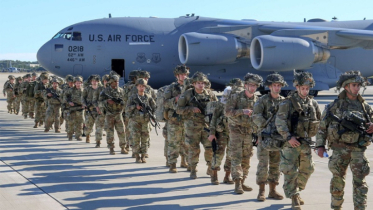
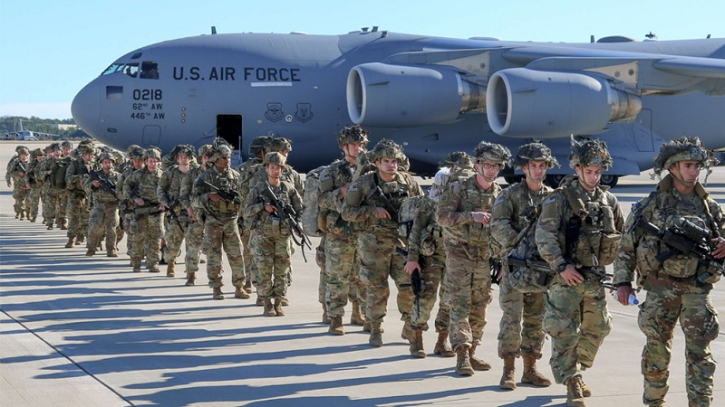
Admiral Brad Cooper, head of US Central Command (Centcom), has warned that videos recorded on the mobile phones of US troops deployed in the Middle East and footage shared on social media are acting as intelligence for Iran. In this situation, some soldiers may soon be ordered to deposit or seize their mobile phones, several sources familiar with the matter told Reuters.
In a letter dated July 28, Admiral Cooper said that Iran can almost immediately assess the success of its attacks by looking at media reports, photos published by journalists and videos recorded on the mobile phones of US troops.
In the letter, he wrote, “The price of this open information may ultimately be paid in the loss of lives of US troops and civilians in the Gulf.”
He urged the troops to adhere to more stringent operational security (opsec) standards. Although the letter did not mention any specific new instructions.
Phones may be confiscated
Some US troops stationed in Jordan have been told that their mobile phones could be confiscated in the coming days, two sources familiar with the matter said.
Another source said that such a move is being considered at various bases in the Middle East for operational security reasons. But it is not yet a final decision.
When asked for comment, CENTCOM spokesman Capt. Timothy Hawkins said that this was essentially a general message to remind troops of the importance of operational security. Admiral Cooper has issued similar instructions on various occasions in the past.
Concerns over video of Iranian attack
A video posted on social media this month showed US troops running for cover during an Iranian missile and drone attack on Jordan's Mawaffak Salti air base on July 17.
Cooper noted in his letter that the video was captured using camera-equipped Meta smart glasses and later posted on Instagram. It also reveals where the troops have taken shelter and how they have moved.
According to him, it should be difficult for Iran to know the true outcome of the attack due to various measures, including electronic jamming, on the battlefield. But social media videos and news reports are easily providing them with that information.
He said that Iran knows that they have fired weapons, but the attack missed its target or hit a populated facility - this information is available to them from open sources. As a result, these publications are effectively providing Iran with a free assessment of war damage.
Impact of war and security concerns
According to Reuters, 18 US soldiers have been killed and more than 600 injured in the Iran-US conflict that began on February 28.
Meanwhile, some US lawmakers have demanded the release of an investigation report on war damage, damage to military base infrastructure and a possible US attack on a girls' school in Iran.
US officials have long warned that location-based information from mobile phones and various apps can deliver important intelligence to adversaries. In May, Reuters reported that commercial location data collected from smartphones was being used to track and target US troops.
Admiral Cooper also warned in his letter that if details of an attack were made public, it could give Iran the opportunity to launch a more devastating second strike.
.png "Advertisement")