.png)
Infantino Defends World Cup Hydration Breaks Amid Growing Critici
Published: 08:48 PM, 24 June 2026
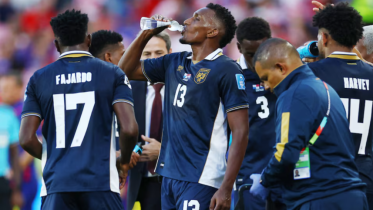
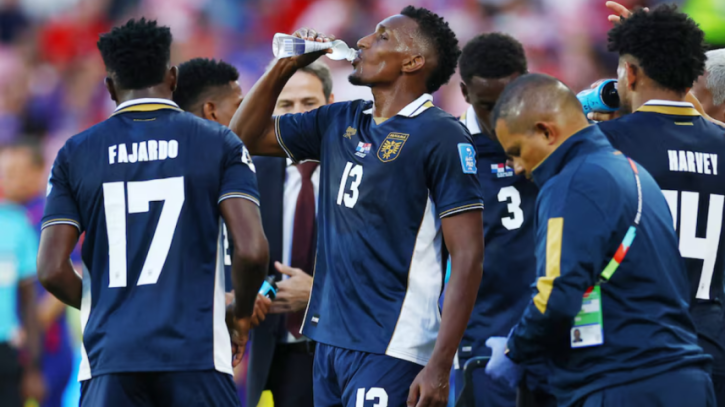
One of the most debated changes of the tournament, the new rule provides two additional three-minute hydration breaks during each match—one in each half—adding a total of six minutes of stoppage time. The decision has drawn criticism from several coaches, players and supporters, with some questioning whether FIFA is prioritizing commercial interests over the traditional flow of the game.
According to Reuters, Infantino addressed the issue again in a statement on Wednesday, rejecting suggestions that the breaks were introduced for financial reasons.
“This measure generates no additional revenue for FIFA. All commercial agreements had already been completed long before the decision was taken. Therefore, there is no commercial interest involved. The entire purpose is to benefit the game and protect the players,” he said.
FIFA has previously explained that the hydration breaks were introduced in response to the intense summer heat expected across several North American host cities. The governing body believes the additional pauses help players maintain their physical condition during matches.
Despite those assurances, several prominent figures in football have voiced concerns.
England head coach Thomas Tuchel argued that the extra interruptions disrupt the traditional rhythm and identity of football. Similar criticism has come from Uruguay coach Marcelo Bielsa, who questioned the impact of the breaks on the flow of matches.
Others have been more supportive of the concept while still raising concerns about its universal application. Spain coach Luis de la Fuente and Netherlands captain Virgil van Dijk have backed the idea of protecting players from extreme temperatures. However, they have questioned whether the same breaks are necessary in stadiums with closed roofs or during matches played in milder weather conditions.
Responding to those concerns, Infantino said the policy was designed to ensure fairness and consistency throughout the tournament.
“At this World Cup, a team could potentially play eight matches over a period of 39 days. Proper recovery opportunities are therefore extremely important. We wanted all teams, in every match, to receive the same conditions and benefits,” he said.
The FIFA chief added that varying weather conditions across venues should not create unequal tactical advantages.
“If coaches in hotter stadiums are given opportunities to speak to their players during hydration breaks, while coaches in cooler venues do not have that same opportunity, it creates an imbalance. We felt it was important to maintain equal treatment for all teams,” he explained.
The scheduled breaks, typically occurring around the 22nd and 67th minutes, have prompted debate about whether they interrupt the natural tempo of matches. Critics argue that the pauses reduce the game's intensity and alter its traditional structure.
Infantino, however, dismissed those concerns, arguing that the evidence so far suggests the opposite.
“The hydration breaks have not reduced the pace of the game. Instead, they have helped players remain fresher and perform at a higher level throughout the entire match,” he said.
As the tournament progresses, the debate over the hydration-break policy is likely to continue. For now, FIFA remains firmly committed to the measure, maintaining that player welfare—not commercial gain—remains the driving force behind the decision.
MMR
.png "Advertisement")