.png)
’Osman: The Guardian of Sovereignty, Mirror of a Generation’
Published: 12:50 PM, 25 August 2026
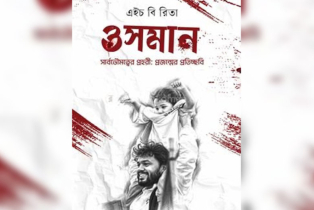
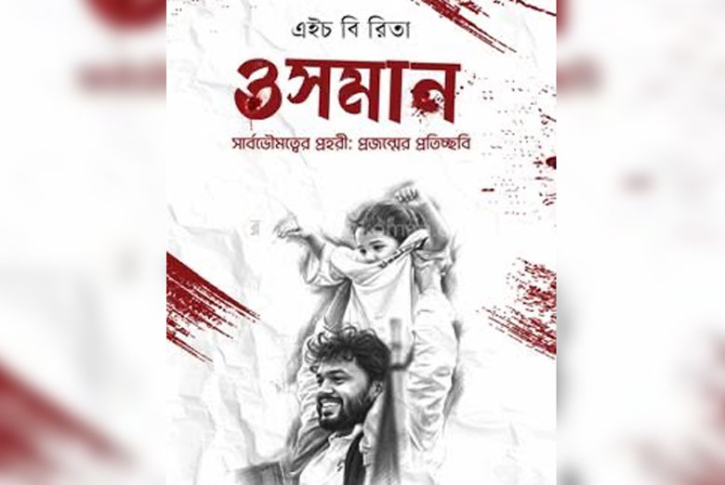
Poet, novelist, and essayist H B Ritar's new book 'Osman: The Guardian of Sovereignty, Mirror of a Generation' was published in July 2026 by Ghashphul [Cover: Safwan Siam]. This is not a biography. It is a real-time autopsy of a nation in turmoil.
In this 256-page volume, the author documents in precise chronological order the December 2025 assassination of Sharif Osman bin Hadi and the ensuing diplomatic and geopolitical instability. Day by day, date by date — from the brutal attack on December 12, to Hadi's death on December 18, through July 8, 2026 — Ritar builds a definitive primary-source chronicle.
Drawing exclusively on contemporary newspaper reports, official statements, and eyewitness accounts, he documents everything: the Inqilab Mancha uprising, the Shahbagh shutdown, the calls to close the Indian Embassy, the shifting stances of political parties, and the state's response. He does not look away from the uncomfortable parts either — including the attacks on the offices of Prothom Alo and The Daily Star.
Rita refuses to reduce Hadi to a mere protester. He places him in the lineage of Chief Joseph, Rosa Parks, and Nelson Mandela — figures of uncompromising moral clarity. Through a Hobbesian lens, he frames Hadi's politics not as an emotional outburst, but as a calculated demand for justice and structural accountability; a fight against cultural hegemony and intellectual subservience, and a defense of indigenous heritage, faith, and identity against foreign soft power.
The book strongly features the public uprising against Indian hegemony, an analysis of allegations of geopolitical conspiracy behind the assassination, and a detailed history of civil society's outrage.
The book captures the raw grief and resilience of Hadi's family. Hadi's own voice is preserved through annotated screenshots of his social media writings.
It also confronts the aftermath head-on: the delayed investigation, the culture of impunity, and why an extradition treaty was not enough to bring the accused back.
Rita reads Hadi's incendiary language not as aggression, but as the self-defense of the oppressed — placing it in conversation with the French Revolution's Le Père Duchêne, the defiant letter of the Zaporozhian Cossacks, Bukowski's Dirty Realism, Ginsberg's Beat Movement, and the literature of rage from Dinabandhu Mitra to Rafiq Azad.
While honoring Hadi as a vanguard of the July uprising, the author's pen does not hesitate to criticize the irrational vandalism and public suffering that followed the assassination as a 'retaliatory reaction.'
In sum, 'Osman: The Guardian of Sovereignty, Mirror of a Generation' is a living history created through a blend of the author's emotion and objectivity. It is not a fabricated narrative, but rather composed from daily newspaper reports, dates, and direct testimonies. It will serve as a reliable primary source archive for future researchers studying the post-2024 mass uprising period.
.png "Advertisement")