.png)
Children with Down syndrome in Gaza are turning around
Published: 09:13 PM, 20 September 2026
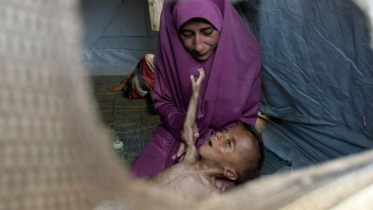
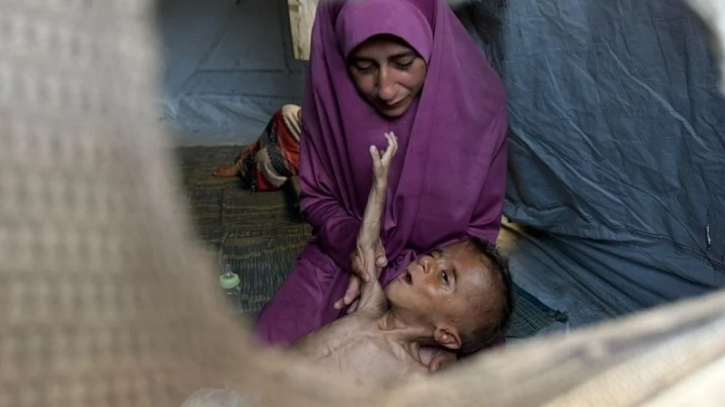
Children with Down syndrome in Gaza have lost many of the basic skills they learned over the years due to war and displacement. Their education and rehabilitation centers have been destroyed. Now, back in makeshift tents, the children are trying to relearn those skills.
According to a report by Middle East Eye, 13-year-old Heba al-Atar attends regular classes at the Right to Live Society (RLS) center in al-Jawaeda, central Gaza. After traveling a long distance to reach the class, she continues to study while sitting on the ground in a tent with other children.
There are more than 1,000 children with Down syndrome in Gaza. Before the war, many of these children received education, rehabilitation and psychological support through RLS. The organization, founded in 1993, had three centers across Gaza and about 200 staff.
Heba's father, Al-Atar, said that before the war, his daughter had acquired basic skills such as reading, speaking, understanding content, and personal hygiene. But since the war began in October 2023, she has lost many of these skills amid displacement and fear.
Other families have had similar experiences. The mother of 13-year-old Saza Abed Rabbo said her daughter would panic and run to her when she heard the explosions. Due to prolonged fear and displacement, she had lost basic skills such as using the toilet.
RLS rehabilitation program director Roufa Salama said the trauma of the war had a major impact on children's skills such as communication and personal hygiene. She added that while before the war there were one or two new Down syndrome cases a week, now there are four to five new cases.
RLS has been gradually resuming operations since July 2024. Currently, more than 1,000 children with Down syndrome and autism are being served in temporary tents in three locations in the Gaza Strip. However, due to the destruction and blockade, there is a serious shortage of educational materials and necessary equipment. Teachers are making teaching materials using cardboard and colored paper from relief supplies.
Yet, children are slowly regaining their lost skills. They are being re-taught in things like communication, personal hygiene, reading, and recognizing danger.
Heber's father also said that his daughter's life has changed since returning to RLS. Learning is now a part of her daily life. She looks forward to going to the center and talks to her family about the things she learned and the friends she made there.
The main hope of the families now is to provide their children with the opportunity to study and rehabilitate in a safe environment, free from the horrors of war.
.png "Advertisement")