.png)
Talks fail, US imposes 50 percent tariff on Canadian goods
Published: 09:23 PM, 22 August 2026
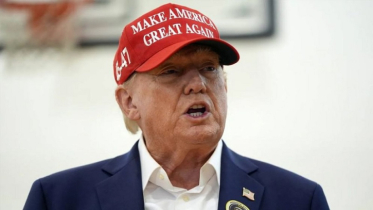
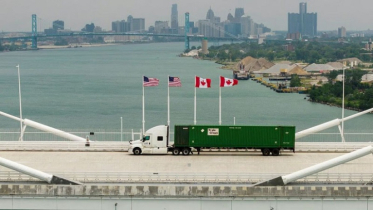
The US has imposed a 50 percent tariff on nearly $20 billion worth of Canadian goods. The Trump administration took the step after three days of talks in Washington, DC between the two countries to finalize a trade deal failed.
The two neighboring countries blamed each other after the talks collapsed on Saturday (August 22).
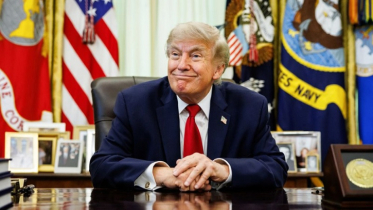
US President Donald Trump set a deadline of midnight on Saturday, Washington, DC, local time, to finalize a trade deal. The US announced the imposition of new tariffs after that deadline. Reuters wrote that Washington has imposed these tariffs on Canadian goods such as wooden ice hockey sticks, which are no longer widely used; therefore, it will not be a major change in the economy of the country, which is the largest trading partner of the US, right after Mexico. Because these products account for just over 5 percent of Canada's total exports to the United States.
But the new tariffs have raised tensions between President Donald Trump and Canadian Prime Minister Mark Carney, potentially making it harder to reach a broader deal to renew the U.S.-Mexico-Canada Free Trade Agreement.
Carney said he had suspended trade talks and that Canada would respond to the new tariffs with a “dollar for dollar” policy.
In a statement, the Canadian prime minister said he had decided to suspend trade talks with the U.S. and asked Canadian negotiators to return to Ottawa.
Carney said they had worked hard to protect Canada’s interests until the very end of the negotiations in good faith. But the last-minute changes to the terms proposed by the U.S. were unfair, uncommercial and questionable.
Negotiators from the two countries had been in intensive talks since July. Donald Trump had previously threatened to impose 50 per cent tariffs on about $20 billion (C$28 billion) worth of Canadian goods by August 19.
Trump had temporarily suspended those tariffs earlier in the week, saying the two countries were close to a trade deal that would be “very good” for both countries.
But minutes before the deadline for the deal expired, Carney said that while the talks had made significant progress, they were not enough to meet our goals.
After Carney’s announcement, US Trade Representative Jamieson Greer said in a statement that Canada had refused to finalise the trade deal tonight on the terms agreed to earlier this week.
He said the US had offered Canada the most favourable tariff treatment among major exporting countries in our market. But Canada’s new demands and backtracking on previous commitments have upset the balance that had been carefully established over the past few days.
The breakdown in talks marks a major shift in the positions of the two countries since the start of the week. At the time, U.S. and Canadian officials were optimistic that a trade deal could be reached that would benefit both countries.
Negotiators were reportedly discussing a deal that would reduce U.S. tariffs on Canadian steel and aluminum from 50 percent to 25 percent and tariffs on Canadian cars from 25 percent to 15 percent.
In return, Carney called on Canadian provinces to allow U.S. liquor back on store shelves.
Tensions between the two major trading partners have been high since Trump took office in January of last year, when he launched a sweeping global tariff program that upended decades of free trade between Canada and the United States.
Now that the talks have collapsed, Trump has imposed a new 50 percent tariff on Canada under the Tariff Act of 1930, a Depression-era law. The tariffs will apply to a range of goods, including wine, dairy products, cement, clothing and hockey equipment. The US will also maintain tariffs on Canadian steel and aluminium, cars and lumber.
In response to Trump’s tariffs last year, most Canadian provinces banned the sale of US alcohol. The US has been demanding that the ban be lifted.
Carney is the only person to have headed the central banks of two major economies. He was elected prime minister last year on a promise to confront Trump. He remains popular. Opinion polls in Canada show that most Canadians oppose any concessions to Trump.
A recent poll by Abacus Data, a Canadian firm, found that about 36 percent of Canadians support retaliating against US tariffs. Another 30 percent want the Carney government to continue negotiations.
Imposing retaliatory tariffs risks escalating tensions with the Trump administration. US Trade Representative Jamieson Greer has said the US “will not tolerate retaliatory tariffs.”
.png "Advertisement")