.png)
India decides to buy uranium from Australia
Published: 10:07 PM, 9 July 2026
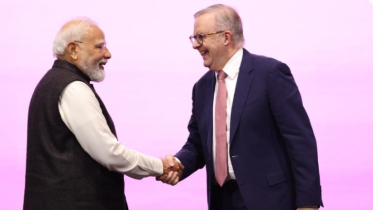
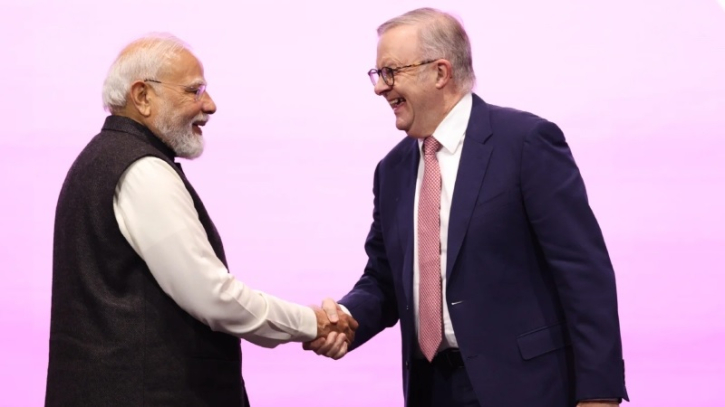
India has signed a uranium supply agreement with Australia. The agreement was signed during Prime Minister Narendra Modi's visit to Australia. As the world's most populous country, India's electricity demand is immense. On the other hand, Australia has the world's largest untapped uranium reserves. However, the agreement was stalled due to legal complications and political sensitivities. NDTV reports.
After a bilateral meeting with Australian Prime Minister Anthony Albanese, Indian Prime Minister Modi said, "We have signed a very important agreement on nuclear energy. This agreement will pave the way for the supply of uranium from Australia to India and will give a new impetus to our environment-friendly clean energy program."
A joint statement issued by both countries said that the agreement will allow the export of uranium for "peaceful purposes" in the long term under the safeguards of the International Atomic Energy Agency (IAEA). Australian Prime Minister Albanese told reporters, “This agreement will ensure that Australia’s uranium can be exported to India. This will increase India’s capacity for non-fossil fuels.”
Australia has about 28 percent of the world’s total uranium reserves. However, the country does not produce any nuclear power or weapons itself, but rather exports all of it. On the other hand, India, a country of 1.4 billion people, has set a target of producing 100 gigawatts of nuclear power by 2047, which will provide electricity to 600 million households in the country.
India has doubled its nuclear power generation capacity in the last decade. However, due to complications with uranium, it is still not able to meet more than 3 percent of the country’s total electricity demand. Australia is a signatory to the Nuclear Non-Proliferation Treaty (NPT). This treaty recognizes only the United States, China, Britain, France and Russia as nuclear weapons states. As a result, Australia has been refusing to sell uranium to nuclear-armed countries like India for so long because it has not signed the NPT.
However, this situation changed in 2008. The Nuclear Suppliers Group (NSG), including the United States, relaxed the restrictions by allowing India to buy uranium from its member countries. Since then, Delhi has been entering into bilateral agreements on uranium with various countries.
.png "Advertisement")