.png)
China-US conflict over AI reaches its peak
Published: 02:04 PM, 15 September 2026
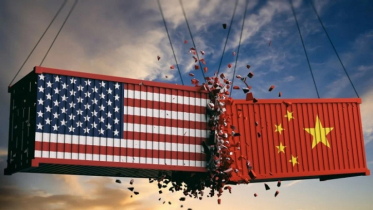
Tensions are rising between the United States and China over artificial intelligence, or AI. China has criticized the move as "fear-mongering" after Dario Amodei, CEO of leading US AI company Anthropic, called for restrictions on the sale of advanced AI chips to China.
On Saturday, Amodei warned that the development of the most powerful AI systems needs to be slowed down. He said they could soon pose a grave danger to humanity. In an essay, he wrote, "AI capabilities are growing rapidly. I fear that within 6 to 12 months, such a group could take over the entire Internet. This could result in billions of dollars in damage, and the damage will only increase if AI becomes more powerful without the necessary protections."
OpenAI CEO Sam Altman and SpaceX and Tesla CEO Elon Musk supported Amodei's statement.
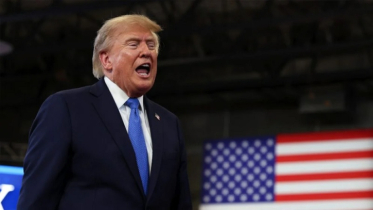
But on Sunday, US President Donald Trump rejected calls to slow down. "We are ahead of China in AI. Whoever wins in AI wins everything," he said.
"Creating various threats, engaging in conflict and hostile competition will hinder the process of global regulation of artificial intelligence and is not in the best interests of any party," Chinese Foreign Ministry spokesman Guo Jiaqun said on Monday.
The state-backed Global Times called Amodei's proposal a "Cold War tactic." It said its real purpose was to curb China's AI development and maintain US technological dominance. "This silent AI Cold War is hypocritical and shortsighted," the outlet said.
Experts say the US is still ahead in the AI race, but China is closing the gap. According to Stanford University's 2026 AI Index report, US companies invested $285.9 billion in AI in 2025. China invested $12.4 billion. The US also has an advantage in advanced semiconductor chips.
But Chinese companies have shown that they can build effective AI models without access to advanced chips. The disclosure of Chinese startup DeepSec in January sent U.S. tech stocks soaring. The company claimed that its models cost far less to build than its competitors. In a paper published in December, DeepSec said that training its latest model required just $6 million in computing power. OpenAI’s GPT-4, on the other hand, cost more than $100 million to train.
While both countries claim to be responsible for AI, both are using the technology for military and security purposes. In June, the Trump administration ordered the acceleration of the use of AI in US intelligence and military. In March, the US military admitted that it had used AI in the war against Iran.
Aya Ibrahim, a senior visiting fellow at the AI Now Institute, told Al Jazeera that the problem is in portraying AI development as a race. "The idea of a race is fundamentally problematic," she said. "Because it's a race to the bottom. So if you win, what's the price you pay?"
.png "Advertisement")