.png)
Iran’s Date Export Revenues Reach $213 Million in 2024
Published: 08:16 PM, 18 February 2026
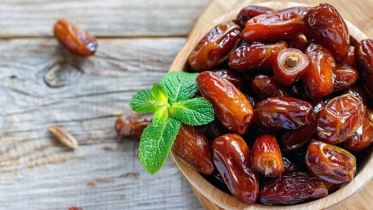
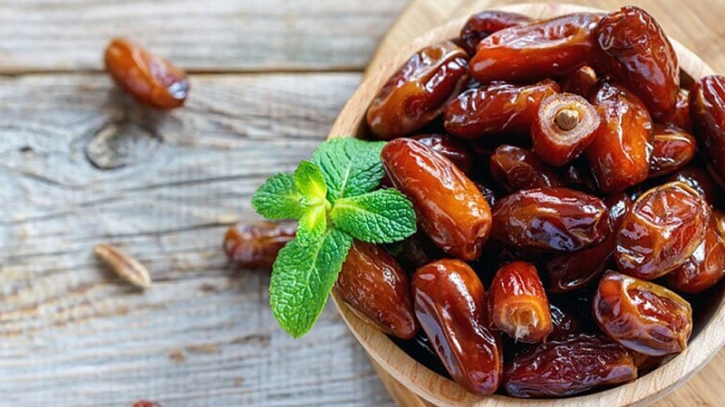
According to trade data, Iran’s fresh and dried date export value increased by 25 percent in 2024, earning more than $213 million in foreign exchange.
According to the International Trade Center (ITC), Iran exported 332,346 tons of dates in 2024, with a total value of $213.049 million. The average export price throughout the year was $641 per ton. Export revenue in 2024 was 25 percent higher than the previous year, reflecting increased demand in major regional markets and improved export capacity.
The largest destination for Iranian dates was India, which received 19.5 percent of total exports. The United Arab Emirates came in second with 11 percent. It was followed by Pakistan (7.3 percent), Turkey (6.8 percent) and Kazakhstan (4.9 percent).
Iran’s date export value increased by 9 percent and export volume by 10 percent in the five years from 2020 to 2024, according to ITC data. Iran is one of the world’s top date producers. The consistent growth in exports highlights the importance of dates in the country’s non-oil trade.
Dates are mainly produced in Kerman, Sistan-Baluchestan, Hormozgan, Khuzestan, Bushehr and Fars provinces. Iran is well-known worldwide for its diverse varieties of dates.
About 70 percent of the total domestic production of dates is consumed domestically, with demand increasing significantly during the holy month of Ramadan. The remaining 30 percent, or about 350,000 tons, is exported annually, earning about $400 million.
The main international markets for Iranian dates include India, Iraq, Pakistan, Turkey, Russia, East Asian countries and the European Union.
To increase the value added of the sector and reduce post-harvest losses (which historically have been around 30 percent), emphasis is being placed on producing value-added products such as syrups, pastes and chocolates from dates, which are beneficial for both domestic consumption and exports.
Iran's agricultural sector is one of the pillars of the country's economy and an important part of non-oil exports. Due to its diverse climate, the country produces a large amount of crops and is making significant progress in international trade.
Iran's agricultural sector has an annual production of between 125 and 130 million tons, valued at over $70 billion. This enables the country to meet about 83 to 90 percent of its domestic food needs. The agricultural sector contributes 11 to 14 percent of the country's GDP and creates about 18 percent of employment.
The country's geographical diversity has made it a global leader in the production of various high-value crops. According to FAO data, Iran is among the world's top producers of pistachios, dates, honey and walnuts. For example, Iran has the world's largest pistachio cultivation area, with over 600,000 hectares of orchards.
As strategic crops, wheat, barley, rice, and corn are the cornerstone of the country's food security.
In terms of horticultural products, Iran is famous for pistachios (often called "green gold"), dates, saffron, and a variety of fresh and dried fruits.
Agricultural products are an important part of Iran's non-oil exports, representing about 17.7 to 30 percent of total exports. The country exports to more than 80 countries around the world, including Europe, Asia, and the CIS.
However, the sector faces several challenges, especially water shortages and recurring droughts, which affect crop production. Recent examples include below-average wheat yields.
In addition, farmers face difficulties in procuring essential inputs, including fertilizers, due to problems with foreign exchange allocation. Yet the government is working to increase global competitiveness by expanding modern irrigation systems, supporting knowledge-based institutions, and offering tax breaks for agricultural products.
Source: Tehran Times
.png "Advertisement")