US Urges European Leaders to Exercise Restraint in Remarks Regard
Published: 01:56 PM, 31 October 2026
The US Department of Defense (the Pentagon) has urged several NATO member states to exercise restraint when making statements about Russia. Washington believes that certain remarks by European leaders could potentially jeopardize regional security.
This information was reported by the news agency Reuters on Friday (October 30), citing four individuals familiar with the matter.
Speaking on condition of anonymity, these sources indicated that Lithuania, Latvia, and Estonia are among the nations that have been advised to exercise restraint in their public statements. These messages were conveyed during bilateral meetings. It remains unclear, however, whether similar advice was extended to other European countries.
As the full-scale war in Ukraine enters its fifth year, the Trump administration is seeking to bring the conflict to an end through renewed negotiations. As part of this effort, the administration is considering incentives for Russia—such as the easing of sanctions—while simultaneously pressuring Kyiv to halt Ukrainian attacks on Russian energy infrastructure.
When asked for comment, a Pentagon official stated, "Private discussions among allies remain private. Therefore, we will not comment on these allegations."
According to one of the sources, US officials took note of certain statements made by European leaders suggesting that Moscow, facing setbacks in its invasion of Ukraine, is becoming increasingly cornered and desperate.
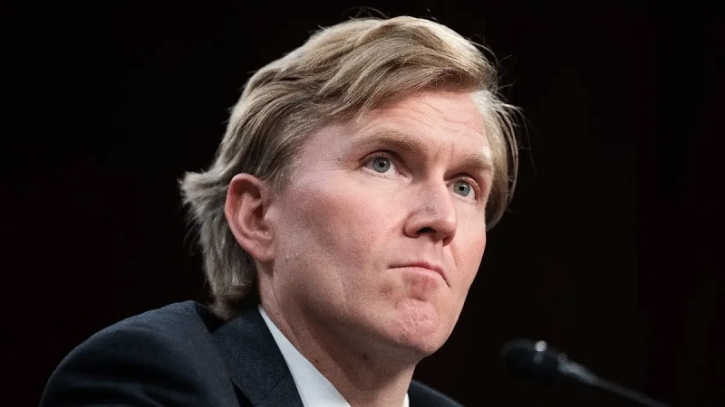
Elbridge Colby, a senior official overseeing policy at the Pentagon, was among the US representatives who conveyed these messages. He is playing a key role in the ongoing review of the US military presence in Europe. Reuters could not independently confirm which other US officials were involved.
The sources—comprising three European officials and one US official—did not characterize the US advice as being delivered in a confrontational or aggressive manner. Advice to Refrain from Provoking Russia
This message from the United States reflects ongoing differences within NATO regarding how to publicly address the threat posed by Russia’s increasingly aggressive stance.
Some Western officials believe that drawing excessive attention to the threat from Moscow may actually serve the interests of Russian President Vladimir Putin’s government. In their view, the Kremlin’s objective is to sow fear and weaken Western support for Ukraine.
Conversely, others argue that it is essential for European governments to be transparent with their publics about the sacrifices and resources required to counter Russia—a point that has gained urgency as Russia’s covert, subversive activities across Europe continue to rise.
Russia, however, has consistently denied carrying out such subversive operations.
A source familiar with the matter told Reuters that Elbridge Colby, during a recent meeting with an official from the Baltic region, advised against "provoking" Russia. He cited the characterization of Russia by some European leaders as being "like a cornered rat" as an example of inappropriate rhetoric.
It is not entirely clear which specific remarks Colby was referring to. In September, Estonian Prime Minister Kristen Michal described Russian President Vladimir Putin as a "cornered rat," suggesting that as Russia’s invasion of Ukraine increasingly stalls, Putin has turned to subversive activities in Europe.
Regarding the recent private message from the Pentagon, another European official remarked: "We are supporting you. The Americans are by your side. Just don’t be too vocal. Don’t make too much noise."
In another recent meeting, the Pentagon advised an Estonian delegation to exercise "restraint" in their public statements and communications, according to a person familiar with the discussion. The source did not specify whether the Pentagon had raised concerns about any particular remarks. The defense ministries of Lithuania, Latvia, and Estonia were contacted for comment on this matter, but they did not respond. NATO also declined to comment.