.png)
How Google sends warnings to smartphones before an earthquake
Published: 04:11 PM, 26 June 2026
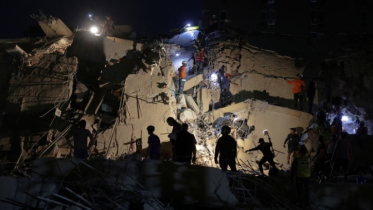
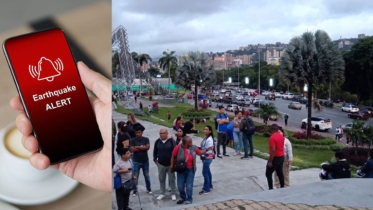
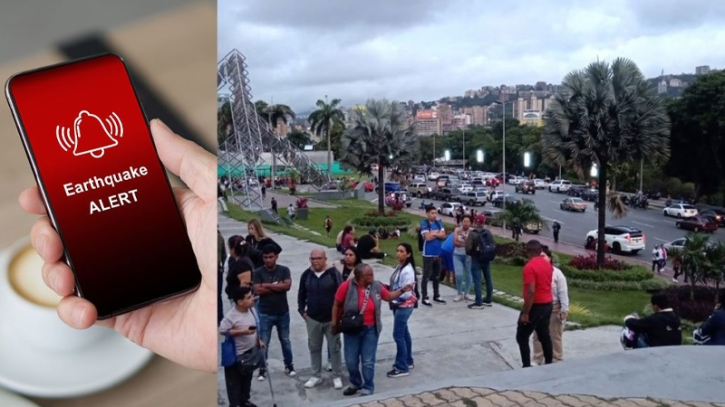
Venezuela has been devastated by two strong earthquakes in a row. Many multi-storey buildings have collapsed, the death toll is still rising, and the entire atmosphere has become heavy with the cries of the dead and missing across the country. However, Google's Android Earthquake Alert system sent warnings to users a few seconds before the earthquake started in Venezuela, according to a company official.
A Google official told the Indian media Hindustan Times that this system on Android phones detected the initial tremors of the earthquake and sent notifications to users in the South American country of Venezuela on Wednesday night. However, he did not specify how many users received this warning.
How this system works
Android's earthquake warning system works based on two main technologies. First, it is coordinated with a government network called ShakeAlert in California, Oregon and Washington, USA, where 1,675 earthquake sensors detect ground vibrations and send information directly to the Android system.
Second, in other parts of the world, the accelerometer sensor inside Android phones is used. If the phone senses an earthquake-like vibration, it sends a signal to Google's servers along with its location. The information from multiple phones is combined to confirm whether a real earthquake is occurring or not. In this way, millions of Android phones are turned into a kind of 'virtual seismometer network'.
Two types of alerts
The system provides two types of alerts. One is the 'Be Aware' alert, which sends notifications to users by detecting light vibrations and and follows the volume, 'Do Not Disturb' and other notification settings.
The other is the 'Take Action' alert, which is given in the case of moderate to severe vibrations. These alerts override all phone settings, illuminate the screen, and play a loud sound to attract attention. Tapping on any alert displays safety measures and a map with an initial estimate of the earthquake's location and magnitude.
Since the alerts are sent as electronic signals, they can reach your phone before the slow-moving earthquake waves reach it. Google says those few seconds before the shaking starts could be enough for someone to get off a ladder, move away from heavy objects, or grab onto something to take shelter on the ground.
Examples of early warnings
During the 6.7-magnitude earthquake in the Philippines in November 2023, the system sent its first warning just 18.3 seconds after the quake began, Google says. People near the epicenter received up to 15 seconds of advance warning, while people in more remote areas received up to a minute. About 2.5 million people were warned at that time.
.png "Advertisement")