.png)
Horrific video of Tibet floods disappears, casualties still unclear
Published: 11:20 PM, 31 August 2026
Despite reports of widespread loss of life and damage in the devastating floods in Tibet, the true picture of the affected areas is not coming to light. There is a strict ban on publishing videos of the horrific moments of the floods, statements from witnesses, or detailed information on casualties and missing persons. Chinese state media is mainly broadcasting some photos and videos of rescue efforts.
China's tightly controlled internet system has limited the ability of social media to quickly disseminate flood footage and first-hand information. As a result, many questions remain unanswered about what actually happened in the affected areas of Tibet, how many people have been affected, and the fate of those missing. BBC News.
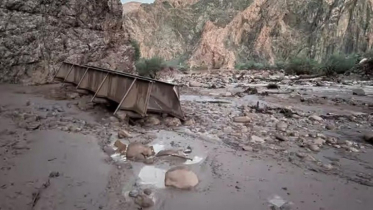
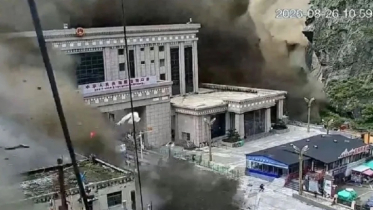
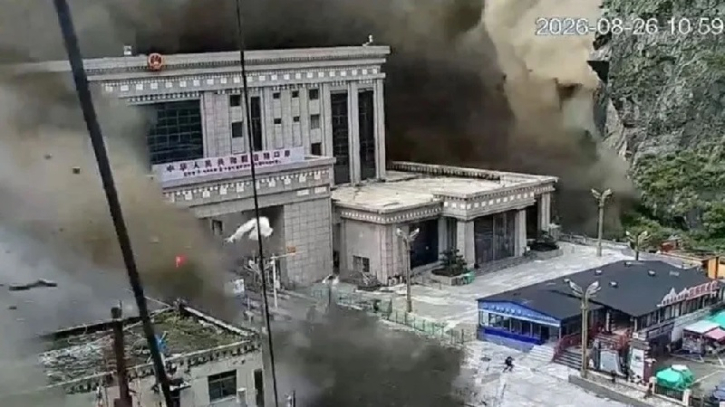
On Wednesday, a sudden surge of floodwaters entered Girang Port, one of the most important border crossings between Nepal and Tibet. Hundreds of people were seen rushing to save their lives. The horrific scene, captured on CCTV cameras, was also reported by international media after it went viral on social media.
But China's main state news bulletin did not broadcast any footage of the incident, except for a still image, the report said. There have also been allegations that many of the videos of the flooding that have been circulating on social media have been unable to be found.
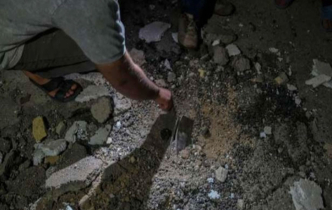
A massive rescue operation has begun in flood-hit areas of Tibet. Rescuers have had to wade through mud, rocks and rubble to reach remote mountainous areas, and in some places have had to cross fast-flowing rivers to search for missing people.
Video released by Chinese state media showed rescue workers searching for people trapped in the rubble and evacuating victims to safety.
Chinese President Xi Jinping has held an emergency meeting with officials to deal with the situation. Premier Li Keqiang has also visited the affected areas.
However, the rescue operation is given more prominence in government propaganda. Independent information about the personal experiences of the victims, the true extent of the damage, or the plight of the families of the missing is rarely made public.
Such restrictions on access to information in Tibet are not new. The Chinese government's strict controls limit the ability of foreign journalists to work freely there. It is also difficult to enter the region without government permission.
As a result, it becomes a major challenge for journalists to independently collect and publish information from the scene after a major disaster.
Even after the floods, state media reports have largely focused on the rescue operation, with specialist rescue teams traversing mountains and steep slopes into remote areas and braving strong currents to search for missing people.
But detailed information on how many people have been rescued, how many are still missing, and what the living conditions of the affected people are like is not available.
Tibet has long been a politically sensitive region for Beijing. Since China established control over Tibet in the 1950s, there have been protests against Chinese rule there at various times. In addition to the suppression of these movements, there have also been allegations of human rights violations against Tibetans. China has denied these allegations.
Local Communist Party members have also been instructed to participate in rescue and relief operations after the flood. In addition to assisting the victims, emphasis has been placed on maintaining social order, stability, and public confidence in the affected areas.
Human rights activists have alleged that Tibetans may be detained or arrested for publishing information online that contradicts the Chinese government's narrative or for speaking to foreign journalists. This has made it difficult to contact relatives in the affected areas and learn about their situation.
Video removal complaint
The International Campaign for Tibet (ICT) praised the work of rescue workers but complained about the removal of videos and firsthand information about the flooding from social media.
The organization has called for the release of complete and verifiable data on the loss of life and damage in the floods.
The floods have affected both Nepal and Tibet. However, there is a relative lack of information about the situation in Tibet. While Chinese authorities have released some information about casualties and missing persons, there is little direct experience from the affected people or independent video from the scene.
According to the latest information, Chinese authorities have reported seven deaths in Tibet's Girong County. In addition, more than 500 people are still reported missing.
As a result, beyond official statements and reports of rescue operations, there remains a lack of independent information about the true extent of the Tibetan floods, the identities of the victims, and the fate of the missing. Which raises the question: how much of the true humanitarian disaster in the Tibetan floods is being revealed to the world?
.png "Advertisement")