.png)
New 10 million US patients could be eligible for high blood pressure medication: Study
Published: 11:12 PM, 13 August 2026
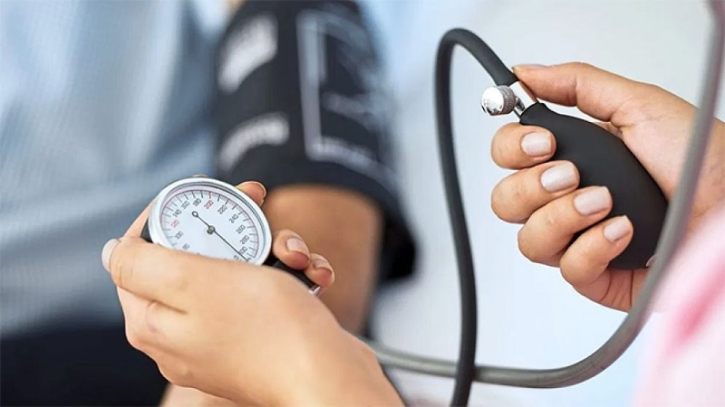
A new study published in the Journal of the American Heart Association says that about 10 million people in the US with untreated high blood pressure could be eligible for blood pressure-lowering medication under new guidelines.
Researchers found that at least one in three adults who are not receiving proper treatment would benefit from the updated approach. According to doctors, if the guidelines are implemented, it could prevent millions of premature deaths over the next decade.
The new 2025 guidelines published by the American Heart Association and the American College of Cardiology place more emphasis on a patient's overall risk of cardiovascular disease when deciding whether to prescribe blood pressure medication.
Doctors can use the American Heart Association's 'Prevent' calculator in this case. It takes into account blood pressure, blood sugar, kidney function and the potential risk of heart disease in the next 10 years to recommend medication.
Under the new framework, about 81 million people with high blood pressure in the United States will be eligible for medication. Of the 23 million previously untreated adults with high blood pressure who did not have heart disease complications, about 9.7 million will now be eligible for new treatment.
Previously, people with blood pressure levels near 130/80 mm Hg were typically advised to make lifestyle changes such as diet and exercise rather than medication, given their overall risk. However, the new guidelines make it easier to give medication directly to patients at higher risk.
Researchers analyzed data from the National Health and Nutrition Examination Survey collected between 2009 and 2018. They calculated what the impact would have been if the new guidelines had been implemented during that period.
The study found that those who received medication after becoming eligible for treatment had an approximately 23 percent lower risk of death from any cause than those who did not receive treatment. In addition, the risk of death from heart disease was reduced by about 50 percent.
According to estimates, this comprehensive treatment approach could prevent about 162,600 deaths from heart disease and 2900 premature deaths from all causes in 10 years. Diabetics in particular can benefit greatly, as high blood pressure and diabetes increase the risk of heart disease significantly.
Experts emphasize that medication is not the only solution to controlling high blood pressure. Regular physical activity, a balanced diet, weight control, reducing stress, and quitting harmful habits are very effective in reducing the risk of heart disease.
In addition, it is important to take medication regularly. A study in 'JAMA Cardiology' found that about half of high blood pressure patients in the United States do not take their medication regularly. Doctors recommend following the rules of taking medication at specific times of the day (such as keeping the medication next to the toothbrush or setting an alarm). In addition, they have advised people to consult a doctor instead of stopping the medication on their own if side effects occur.
The study emphasizes the importance of identifying heart disease risks at a young age, especially for those with chronic illnesses like diabetes.
According to researchers, a combination of appropriate medications along with a healthy lifestyle can significantly reduce the long-term risk of stroke, heart attack, and premature death. However, the final decision should be made based on the advice of a doctor, considering blood pressure levels, physical risks, and other environmental factors.
.png "Advertisement")