.png)
Trump in Congress Ahead of Midterm Elections
Published: 08:35 PM, 7 June 2026
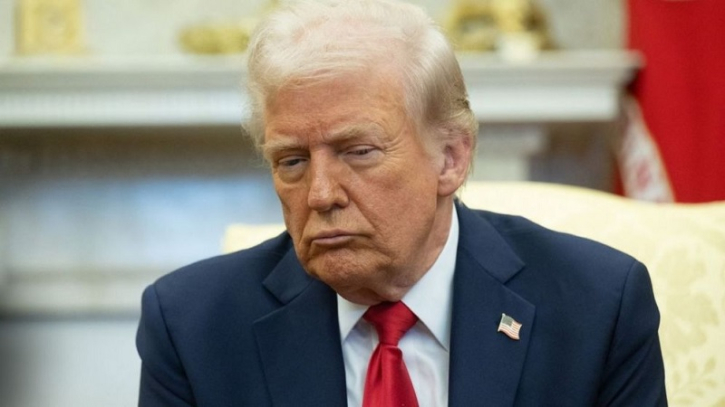
As partisan pressure mounts ahead of the upcoming midterm elections, Republican lawmakers in the country’s Congress are showing signs of renewed resistance and discontent against President Donald Trump.
Despite longstanding reluctance to defy Trump, several factions within the Republican camp have recently begun to oppose various of his policies and decisions.
In just a week, Republicans in the Senate and House of Representatives have condemned Trump’s war policy against Iran, rejected $1 billion in funding for the White House ballroom, forced him to back down from his $1.8 billion “anti-weaponization” fund, and blocked his domestic intelligence legislation.
In addition, the House of Representatives has passed a bill opposing Trump to provide aid to Ukraine and impose new sanctions on Russia, which is expected to face a presidential veto.
Analysts say that while both Republicans and Democrats are skeptical of the possibility of a widespread or open rebellion against Trump, this growing partisan resistance to Trump's ambitious initiatives could become a major obstacle until the next election. In particular, leaders whom Trump has tried to personally dethrone or politically corner are now not hesitant to break with Trump's policies.
Republican Senator Thom Tillis, who announced his retirement last year, commented on this issue that as the election approaches, lawmakers are essentially voting according to the wishes of the people of their respective constituencies. On the other hand, many, such as Democratic Senator John Fetterman, believe that the dissent actually reveals Trump's absolute control, because those who now oppose him have already been expelled from the party because of Trump. The White House has denied that this dissatisfaction is internal party conflict, calling it simply "election year politics."
The unrest was sparked by Trump's interference in Senate elections and controversial announcements. In addition to his opposition to the re-election of key Republican leaders like Senators Bill Cassidy and John Cornyn, some of Trump's decisions just before the Memorial Day holiday angered Senate Republicans. As a result, they were forced to withdraw a $70 billion immigration enforcement funding bill and leave Washington in anger and frustration. Although the bill later passed with some amendments, many Republicans are concerned that the funds could be given to close political allies of Trump or those accused of the Capitol Hill riots.
The conflict is now starting to affect Trump's next major appointments. In nominating Trump's preferred loyalist, Bill Pulte, as Director of National Intelligence (DNI) to replace Tulsi Gabbard, party leader Mitch McConnell has made it clear that he will not vote for Pulte unless he has sufficient experience. At the same time, Trump's plan to appoint former lawyer Todd Blanch as permanent attorney general could also face major obstacles in the Senate.
Senator John Cornyn, a member of the Senate Judiciary Committee and a Trump adversary, has made it clear that the attorney general is not a president's personal lawyer. Therefore, the support for Blanch will depend on her questioning. Thus, this growing resistance from lawmakers is making the path of implementing the White House's policy more challenging in the coming days.
Source: Reuters.
.png "Advertisement")