.png)
Iran may give US 30-day deadline to reopen Strait
Published: 08:27 PM, 7 June 2026
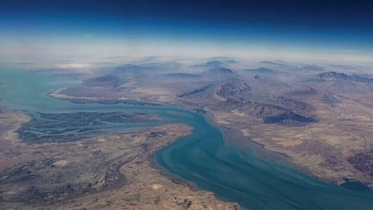
In response to the recent US moves, Majid Shakeri, one of the country's nuclear negotiators, has indicated that Iran may set a 30-day deadline to reopen the Strait of Hormuz.
He made the announcement in a recent interview with Iran's semi-official Fars News Agency.
The diplomat, who took part in recent talks in Islamabad, said that under the new proposal, Tehran should announce that the Strait of Hormuz will be reopened only under Iranian management after 30 days after the US and its allies withdraw all threats.
After the US-Israeli attack began on February 28, Iran effectively closed the strategically important waterway. In response, the US imposed a naval blockade on the strait in April.
The current stalemate in peace talks between the United States and Iran has led to a significant decline in commercial shipping through this vital international waterway. The US administration has insisted that the Strait of Hormuz be fully opened to commercial shipping without any tolls or conditions after the war. On the other hand, Iranian authorities have repeatedly reiterated their sovereignty over the strait, along with Oman.
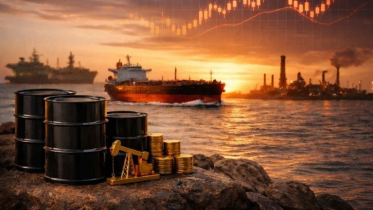
Ships currently paying an average of $1.5 million to $2 million (1.5 to 2 million US dollars) to transit the Strait of Hormuz with Iranian permission, according to a senior member of the country’s parliament.
Meanwhile, a proposal to levy a fee for navigation and environmental services in the Strait of Hormuz is being reviewed, said Iran’s Environment Department head Sheena Ansari. She told Iran’s semi-official Tasnim News Agency that the discussions are not just about collecting fees. Rather, they involve providing a range of services. These services could include navigation guidance, search and rescue operations, ensuring the safety of ships and protecting the marine environment.
Ansari also noted that a portion of the proposed fee would be related to environmental damage caused by shipping traffic and risks to marine ecosystems. Overall, the deadlock in negotiations has left the future of this vital waterway highly uncertain.
Source: CNN.
.png "Advertisement")