.png)
What’s behind the gold rush in Afghanistan?
Published: 09:22 PM, 9 August 2026
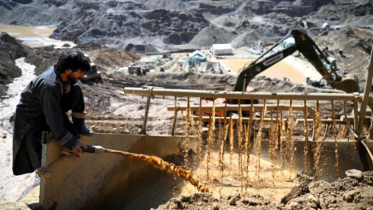
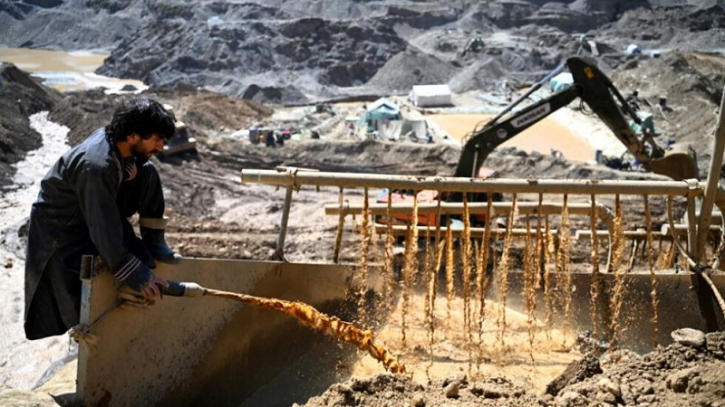
A gold rush has begun in Afghanistan's northeastern Badakhshan province. Excavators are digging day and night in the Shiwa region, where cattle once grazed and farmers lived in peace.
Thousands of workers are busy mining gold for investors across the country. However, while this 'gold rush' has provided income for some people, it has also brought extreme disaster to the lives of locals. 74-year-old farmer Muhammad Amin said that due to mining, the clean water in the river is no longer suitable for use. The number of his cattle has dropped by more than half as farming and grass growth have stopped due to dust and pollution. He has even been financially cheated by leasing land to mining companies.
After coming to power in 2021, the Taliban government has emphasized the mining sector to increase state revenue. Abdul Matin Rahimzai, head of Badakhshan's mining department, said that about 700 registered companies are currently operating there. According to the World Bank, the sector is growing by 25-30 percent annually with new contracts. Due to the acute shortage of jobs in the country, many people from Kabul and Jalalabad are coming to work in the mines in the hope of earning 10,000-25,000 Afghanis per month.
Mining companies are required to pay a monthly tax of 20 grams of gold or its equivalent for every hectare of land. Last year, the government received 112 kilograms of gold as revenue from Badakhshan alone. However, authorities have ordered the closure of 225 mining sites due to extensive environmental damage. In many places, bridges, shops and schools have been buried in the mud created by over-mining, turning them into rubble.
According to local herders and ordinary people, the gold industry is not benefiting them, but is only lining the pockets of the powerful by destroying natural beauty and grazing lands.
Source: AFP.
.png "Advertisement")