Why has the Trump administration revoked over 300,000 visas in less than two years?
Published: 10:03 AM, 21 October 2026
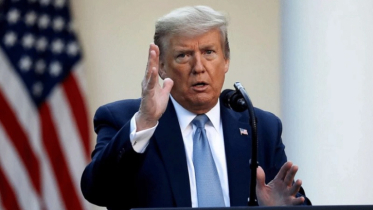
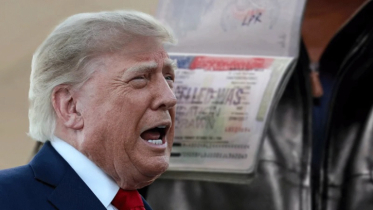
During US President Donald Trump’s second term, his administration has revoked more than 300,000 visas. The US State Department disclosed this information on Tuesday (October 20), amid an ongoing, sweeping anti-immigration crackdown in the United States.
According to a report by the news agency Reuters, the number of visa revocations has surged in recent weeks.
This move—part of a broader, stringent anti-immigration campaign—raises several questions: Why are so many visas being revoked? Who is being targeted? And to what extent do US national security and immigration policies play a role?
In an update provided on August 10, the US State Department stated that over 175,000 visas had been revoked since the beginning of Trump’s current term (which commenced in January 2025). The latest figures indicate that this number has now surpassed 300,000.
The Trump administration maintains that action will be taken against foreign nationals residing in the US on visas if they break the law, engage in fraud, or pose a threat to national security. However, the application of this policy extends beyond the control of illegal immigration; it also affects pro-Palestinian protesters, foreign nationals who have made comments on social media, and individuals seeking to enter the US legally.
The scale of these revocations—occurring against the backdrop of the government’s security-focused stance and criticism from human rights advocates—highlights a shift in US immigration policy. Analysts suggest there are several reasons behind these revocations.
Combating Law Violations and Crime
According to the Trump administration, a large number of visas have been revoked due to violations of visa conditions, involvement in criminal activity, fraud, and posing a risk to public safety. The administration claims that a significant portion of the revoked visas involved individuals with records known to law enforcement agencies.
Data released by the US State Department on August 10 cited offenses such as assault, driving under the influence, theft, and drug-related crimes as primary reasons for visa revocations. In short, the administration’s argument is that this is not merely about illegal immigration. Controlling criminal activities by foreign nationals residing in the United States is also a significant aspect of this approach.
A Hardline Stance in the Name of National Security
The Trump administration maintains that stricter visa vetting is necessary to ensure national security and public safety in the United States. To this end, greater emphasis is being placed on monitoring the activities of visa holders and verifying the information provided by applicants.
According to U.S. State Department spokesperson Tommy Pigott, the administration adheres to a "zero-tolerance" policy regarding foreign nationals involved in legal violations, fraud, or actions that compromise national security.
However, there is ongoing debate regarding the appropriate scope of measures taken in the name of national security. Human rights advocates express concern that the justification of "security" could potentially be used to target critics of the government.
Pro-Palestinian Protests and Social Media Commentary
One of the most contentious aspects of visa revocations involves incidents linked to political expression.
Human rights advocates have criticized the revocation of visas for foreign nationals who participated in protests against Israel’s military actions in Gaza. Similarly, the revocation of visas for several foreign nationals—following their social media comments regarding a hypothetical scenario involving the killing of conservative political commentator Charlie Kirk—has also sparked controversy. A Reuters report highlights six such instances.
Furthermore, the Trump administration has intensified the scrutiny of social media activity among immigrants and visa applicants.
Human rights advocates argue that such surveillance could have a chilling effect on freedom of expression. The administration, however, maintains that its decisions to revoke visas are primarily driven by concerns regarding legal violations and national security.
Efforts to Curb Fraud in the Immigration System
Another stated objective of the administration is to prevent fraud in visa applications, the abuse of the U.S. immigration system, and the violation of the terms and conditions stipulated by a visa.
The Trump administration asserts that being granted a visa to enter the United States does not confer an absolute right to remain in the country under any circumstances. If a visa holder violates the law or breaches the conditions of their stay, they may face enforcement action. However, critics argue that the authorities are using isolated incidents of fraud as a pretext to increase surveillance and control over the broader immigrant population. This concern has emerged in the context of measures taken regarding the Somali-American community in Minnesota.
Policies Making Legal Immigration More Difficult
One of the key promises of Donald Trump’s 2024 election campaign was to curb illegal immigration. Since returning to power, however, his administration’s actions have also impacted the legal immigration process.
According to reports, the imposition of high fees for certain types of work visas, combined with more rigorous vetting of applicants, has made the process increasingly difficult for those seeking to enter the United States legally.
Rapid Rate of Visa Cancellations
As of August 10, 2026, the number of cancelled visas stood at over 175,000. By October 20, that figure had surpassed 300,000—meaning that at least 125,000 additional visas were cancelled in the period between these two dates.
This indicates a significant acceleration in the administration’s visa cancellation efforts. However, these statistics do not specify the breakdown of cancellations—such as how many were revoked due to criminal activity, allegations of fraud, or national security concerns.