Brazilian scientists’ successful strategy to prevent dengue
Published: 09:54 AM, 25 November 2026
Scientists in Brazil have successfully tested a new method to combat dengue. Instead of killing mosquitoes or avoiding mosquito bites, they are using a method to inject harmless bacteria into the body of mosquitoes to prevent the spread of the harmful virus.
A large study of thousands of children in Brazil, one of the world's dengue-prone countries, has yielded promising results. Researchers presented the results at an international conference on Saturday.
Research has shown that specially modified mosquitoes have been able to reduce dengue transmission by 68.5 percent.
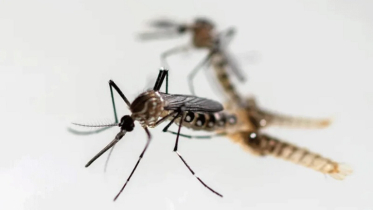
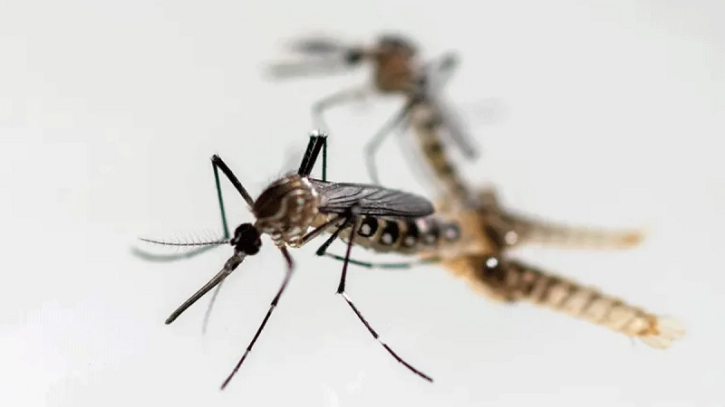
To do this, researchers released millions of mosquitoes. These mosquitoes were injected with a naturally occurring bacterium called Wolbachia. This bacterium makes it difficult for viruses like dengue to multiply in the mosquito's body.
This is the latest effort to modify mosquitoes to combat diseases that spread to humans. The study comes as the US state of Florida is experiencing a dengue outbreak. It is believed to be the largest dengue outbreak in the United States since the 1940s.
"It's really encouraging," David Hammer, a global health expert at Boston University who was not involved in the Brazil study, told the AP.
He believes that if more Wolbachia-carrying mosquitoes can be used, dengue transmission can be greatly reduced in many areas.
How research is conducted
An international team of researchers from Emory and Yale Universities in the US, the Brazilian Ministry of Health, and the US National Institute of Allergy and Infectious Diseases conducted the study in the southeastern Brazilian city of Belo Horizonte from 2020 to 2024.
Researchers introduced a naturally occurring bacterium called Wolbachia into Aedes aegypti mosquitoes. This bacterium is not harmful to humans, but it can significantly reduce the ability of mosquitoes to spread some viruses.
Although about 50 percent of the world's insects carry this bacteria, it is not usually found in the Aedes aegypti mosquito, which is responsible for spreading dengue, chikungunya, Zika, and yellow fever.
After releasing the modified mosquitoes, the researchers randomly selected 5,700 children for dengue symptoms, including those living in areas where the modified mosquitoes were released and those living in areas where mosquito control methods such as insecticides were used.
In addition, tests are also conducted for various diseases spread by mosquitoes, ticks, and flies to identify asymptomatic patients.
The study found that in areas where mosquitoes carrying Wolbachia were released, only 4 percent of routine blood tests came back positive, compared to 14 percent in other areas.
According to the results of the study, dengue infections have been reduced by 68.5 percent and chikungunya infections by 73.3 percent using this method.
Brazil is one of the world's leading dengue transmission countries, accounting for about one-tenth of the world's dengue cases. At the time of the study, the densely populated city of Belo Horizonte was experiencing one of the worst dengue outbreaks in history. This further underscores the effectiveness of the Wolbachia method.
The research results were presented at a conference of the American Society of Tropical Medicine and Hygiene in Maryland, USA.
Is this the first time the Wolbachia method has been used?
No. The World Mosquito Program (WMP) is pioneering the Wolbachia method. The organization is using this method in their ongoing 'Wolbachia Mosquito Release Project'.
The initiative has been running since the mid-2000s and has worked in areas including the Abura Valley in Colombia and the city of Niterói in Brazil, with a combined population of around 4.5 million.
According to data published by the organization, dengue infections have decreased by 92 percent among the nearly one million people included in the study.
Researchers say the method could be effective on its own in the long term. It is also more environmentally friendly than spraying pesticides to kill mosquitoes, which can be expensive and toxic.
Singapore has also been following a method to control the number of Wolbachia-infected mosquitoes since 2016. In this method, male mosquitoes carrying the bacteria are released. When these mosquitoes mate with female mosquitoes in the wild, they produce eggs that do not hatch. As a result, the number of mosquitoes decreases.
The researchers' main goal is to create a permanent local population of Wolbachia-carrying mosquitoes in the study area.
WMP has been working with local community leaders to release adult mosquitoes. In addition, arrangements have been made to place mosquito eggs in food packets. The aim is for the eggs to hatch and then mix with local mosquitoes.
Researchers believe that over time, mosquitoes carrying Wolbachia will spread and establish permanent populations in the area. Source: Al Jazeera