Difficult for India to Move Away from Russian Energy, Says US Secretary of State
Published: 11:50 AM, 18 October 2026
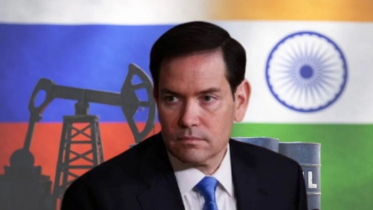
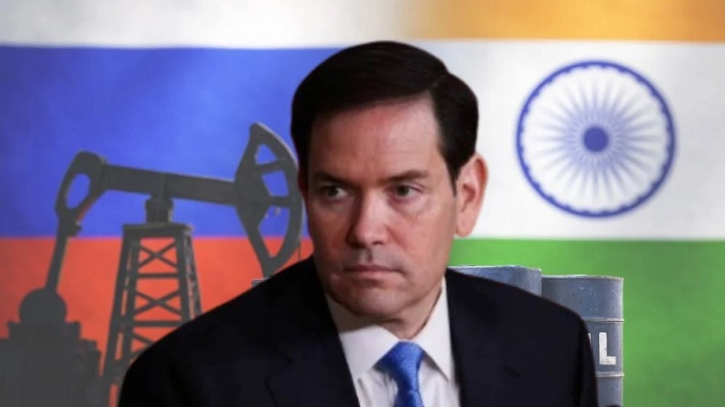
US Secretary of State Marco Rubio has remarked that it would be difficult for India to stop purchasing crude oil from Russia and switch to other sources overnight. He stated that President Donald Trump intends to take 60 days to evaluate the potential impact of sanctions on Russia and the imposition of tariffs on goods from other nations.
Rubio made these comments while speaking to reporters ahead of his visit to Uzbekistan and India on Saturday (October 17). His remarks highlight that, in its efforts to exert pressure on Russia, the United States must also consider the potential repercussions for the global energy market and its own domestic economy.
Rubio explained that the proposed measures are not limited solely to sanctions against Russia; they also include the potential imposition of tariffs on several countries, including India. Consequently, President Trump wishes to analyze how these steps might affect both the global economy and the US economy.
On Friday, President Trump granted an exemption from the sanctions and tariffs proposed under the "Lindsey Graham Sanctioning Russia and Iran Act." Citing national interest, this decision has, for the time being, averted the threat of tariffs—reaching as high as 100 percent—on goods exported to the US by the top five buyers of Russian oil and natural gas. India and China are among these nations.
Rubio noted that the world is currently grappling with various crises. Tensions between the US and Iran, Houthi attacks in Saudi Arabia, and the Russia-Ukraine conflict are all impacting global energy supplies and prices. Therefore, these factors must be considered collectively before finalizing any decisions regarding sanctions or tariffs.
He acknowledged that while India has diversified its energy sources, it still imports a significant volume of energy from Russia. Moving away from this dependency overnight is a difficult task. At the same time, India remains a key ally and partner of the United States.
According to Rubio, the Trump administration requires time to review the situation and determine the appropriate course of action.
Why does India purchase Russian oil? Following Russia’s invasion of Ukraine in February 2022, Western nations imposed various sanctions on Moscow. The European Union banned the import of Russian crude oil via sea routes, while the G7 coalition established a price cap aimed at limiting Russia’s revenue from oil sales.
As many European buyers reduced their purchases of Russian oil, Moscow shifted its focus to Asian markets. Indian refineries began importing Russian oil, which was available at a lower price compared to the international benchmark, Brent crude.
India, the world’s third-largest consumer of crude oil, previously imported only a marginal amount from Russia—accounting for roughly 2% or less of its total oil imports before the war. Subsequently, India increased its imports, taking advantage of the discounted prices.
Eventually, Russia became India’s largest supplier of crude oil; at times, Russian oil accounted for 40% to 50% of India’s total oil imports. Reports indicate that last month, India imported approximately 1.9 million barrels of Russian crude oil per day, representing about 35% of the country’s total oil imports for that month.
India’s Stance on U.S. Sanctions
Following the passage of legislation in the U.S. Congress concerning sanctions against Russia and Iran, India stated that it remains committed to ensuring energy security for its 1.4 billion people.
In a statement issued on September 17, India’s Ministry of External Affairs noted that New Delhi would continue to source energy from various origins, taking into account evolving market conditions.
The statement further mentioned that the matter had been discussed with U.S. representatives at various levels in recent months. India clearly communicated to the U.S. the potential implications for the international energy market, alongside the context of their bilateral relationship.
Additionally, India affirmed its firm resolve to take all necessary measures to safeguard its own commercial and economic interests.