.png)
6 Symptoms of Urination: Silent Cancer Warning Signs

Published: 08:32 PM, 16 May 2026
Many people ignore minor burning during urination, frequent trips to the toilet at night, or mild back pain as common problems. Some consider it a result of dehydration, age, stress, or infection. But according to doctors, the body often gives early warning of major danger through very simple symptoms.
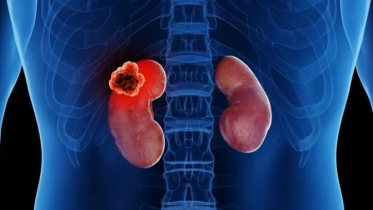
Various cancers of the urinary tract, such as bladder, kidney, prostate, or ureter cancer, can start silently in the early stages. In most cases, the symptoms are very subtle at first. If these symptoms are ignored for months, the disease can spread to other parts of the body, making treatment more complicated, expensive, and emotionally difficult.
According to the National Cancer Institute of the United States, if bladder and kidney cancer are detected at an early stage before it spreads throughout the body, the chances of treatment success are much higher.
All symptoms should not be ignored
According to doctors, one of the most worrisome symptoms is blood in the urine. Even if it happens once and is painless, such symptoms should not be taken lightly. There are also some other symptoms that may require urgent medical attention. Such as-
-Frequent urination
-Burning during urination
-Difficulty controlling urination
-Weak urine flow
-Feeling the need to urinate repeatedly, especially at night
-Chronic pain in the lower abdomen or back
Dr. Anil Thakwani, Senior Consultant and Head of the Department of Radiation Oncology at Shardacare-Healthcity, India, said, “Many people think that urinary problems are caused by age, infection or some temporary reason. But these long-term symptoms can sometimes be the initial symptoms of bladder, kidney, prostate or ureter cancer. Delay in diagnosis makes treatment more difficult and the chances of recovery may also decrease.”
He said that the problems can become complicated because these symptoms often seem like symptoms of a common urine infection or an enlarged prostate. That is why it is important to get tested on time. It is possible to determine the actual cause of the disease through urine tests, imaging scans or cystoscopy.
The US Centers for Disease Control and Prevention (CDC) cancer screening guidelines also recommend taking unusual changes in the body seriously and seeking medical attention quickly.
Why does late detection increase the risk?
Although cancer treatment is now much better than before, doctors say that the time of diagnosis is still the most important factor. If detected at an early stage, urinary tract cancer can be controlled relatively easily through surgery, targeted radiation therapy, or modern treatment. But if the cancer spreads to surrounding tissues, lymph nodes, or distant organs of the body, treatment becomes longer and more aggressive.
Dr. Thakwani said, "The most powerful weapon in cancer treatment is still early detection. If detected early, the chances of controlling the disease through surgery, radiation therapy, or other advanced treatments greatly increase." He added that modern radiation technology is now able to target tumors more accurately, resulting in less damage to surrounding healthy tissue. However, the earlier cancer is detected, the more effective the treatment is.
A review by the National Institutes of Health (NIH) also found that delaying cancer diagnosis significantly increases the risk of poor treatment outcomes.
Who is at higher risk
Not all urinary problems are signs of cancer. However, some people are at higher risk. People over 50, smokers, people exposed to industrial chemicals, and people with a family history of urinary tract cancer are at higher risk. Long-term tobacco use is considered one of the main risk factors for bladder cancer.
According to doctors, many people feel uncomfortable talking about urinary problems. Due to shame or embarrassment, many people put up with symptoms for months and hope that the problem will go away on its own. But this silence can be a major risk factor. Regular health check-ups are still not very common, especially in the Indian subcontinent. As a result, many people only go to the doctor when symptoms start to seriously affect daily life. By then, the diagnosis may be too late.
Don't ignore body signals
Experts say that the body does not change without reason. The recurrence of any symptom means that it should be taken seriously. Doctors advise that if abnormal urinary symptoms persist for more than a few days or recur repeatedly, you should seek medical advice immediately. In addition, regular health check-ups after 40 or 50 years can help in early detection of hidden diseases. According to experts, shame or shyness should never be a barrier to diagnosis. A small medical consultation today can save you from a big and difficult battle in the future.
Source: Times of India
.png "Advertisement")