.png)
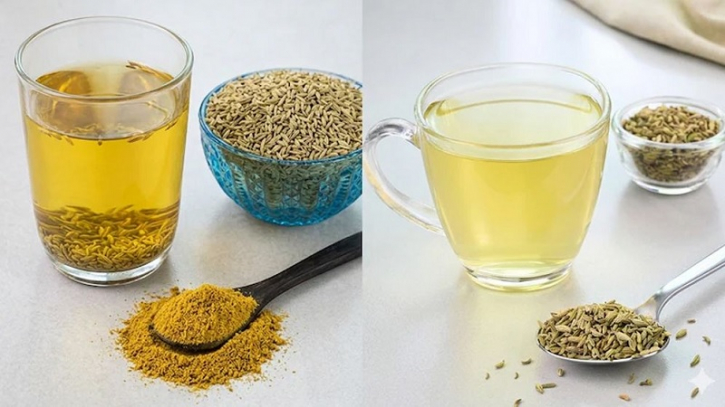
Cumin water or fennel water; which is more effective in controlling blood sugar
Published: 09:28 PM, 28 April 2026
According to a global health report, as of early 2026, about 541 million adults worldwide were affected by diabetes. Of these, about one-sixth are in India. As metabolic health has become a major public health concern, interest in controlling blood sugar through home and natural methods has also increased significantly.
In this context, water made from two common kitchen spices—cumin and fennel—has become particularly popular. Many refer to them as ‘magic water’. Cumin water and fennel water are both powerful ingredients, but their mechanisms of action in controlling blood glucose are different.
Understanding this difference can be helpful in creating an effective daily routine for people with diabetes or insulin resistance.
Metabolic Mechanism: How It Works
To understand which is more effective in controlling blood sugar, it is important to analyze the active ingredients of the two spices.
Cumin contains thymoquinone and cuminaldehyde. On the other hand, fennel contains anethole and quercetin. These compounds act as biological switches in the body, which activate or regulate various metabolic processes.
Cumin water: Increases insulin sensitivity
Cumin is generally known as a metabolic stimulant. It not only aids in digestion, but is also directly related to insulin secretion and function.
According to research, cumin can encourage the pancreas to produce more insulin and make the body's cells more sensitive to insulin.
When insulin sensitivity increases, the body can use glucose from the blood more quickly and effectively. This reduces the risk of having high blood sugar for a long time, which can gradually damage organs.
Cumin can also help reduce advanced glycation end products, which accumulate in the body as harmful compounds due to high blood sugar.
Fennel water: Helps in digestion and inflammation
Fennel is a relatively cooling ingredient. Its role in blood sugar control is not direct, but important.
Fennel acts as a powerful anti-inflammatory agent. Long-term inflammation is a major cause of insulin resistance. Therefore, by reducing inflammation, fennel helps the body use glucose better.
Fennel is also a natural diuretic, which helps remove excess fluid and toxins from the body and reduces oxidative stress, which is associated with high blood sugar.
Fennel also helps control appetite, thereby reducing excess calorie intake and controlling blood sugar fluctuations.
Scientific research results
Reduction in HbA1c
A clinical study published in the journal ‘Psychotherapy Research’ found that type 2 diabetic patients who took cumin oil significantly reduced their fasting blood sugar and HbA1c. HbA1c is an indicator of average blood sugar over a 3-month period.
Enzyme Inhibition
Cuminaldehyde can inhibit the alpha-glucosidase enzyme, which breaks down complex carbohydrates into simple sugars. As a result, blood sugar does not rise rapidly after a meal.
Glucose Effects of Fennel
Animal-based studies have shown that aqueous extract of fennel is able to reduce blood glucose in diabetic models. It may help protect pancreatic beta-cells.
Appetite and Metabolism Control
Studies have shown that fennel water helps reduce appetite, controls overeating, and helps stabilize blood sugar levels over time. It also plays a role in reducing blood fat.
Cumin vs Fennel: Comparative Analysis
Main Mechanism of Action
Cuminous Seed: Directly increases insulin and slows down the breakdown of carbohydrates
Fennel: Reduces inflammation and controls appetite
Key Benefits
Cuminous Seed: Effective in reducing fasting blood sugar and HbA1c
Fennel: Helps reduce post-meal sugar spikes and helps control weight
Body Nature
Cuminous Seed: Warm in nature, increases metabolism but can increase acidity in some cases
Fennel: Cool in nature, eases digestion and reduces internal body heat
Best Time
Cuminous Seed Water: In the morning on an empty stomach
Fennel Water: Throughout the day or after meals
Final Verdict: Which is better?
If the goal is to directly control blood sugar and reduce HbA1c, then based on scientific research, the effectiveness of cumin seed water is slightly stronger.
However, for those who suffer from blood sugar fluctuations due to inflammation, digestive problems or excessive hunger, fennel water may be more beneficial.
The most effective method is to alternate the two waters based on your personal physical condition and the season. Fennel water keeps the body cool and aids digestion in summer, while cumin water helps increase the metabolic rate in winter.
Source: NDTV
.png "Advertisement")