.png)
Global energy crisis to worsen: IMF and World Bank
Published: 05:48 PM, 30 May 2026
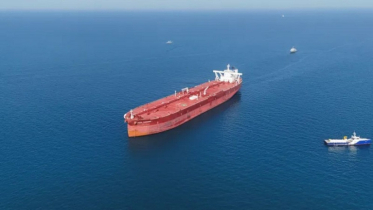
The heads of the International Monetary Fund (IMF), the World Bank and the International Energy Agency (IEA) warned the world on Friday that a severe energy crisis could arise this summer if oil shipping through the Strait of Hormuz does not return to normal.
The heads of the three organizations said in a joint statement that “the world’s oil reserves are falling at a record pace due to a significant reduction in oil supplies through the Strait of Hormuz.”
They also said that “if shipping does not return to normal, world oil reserves will quickly run out before the peak of summer demand in the northern hemisphere. This will create increasing risks to energy security, market conditions and the overall economy.”
Iran’s war with the United States and Israel has plunged the Middle East into a major conflict. Iran is responding to this war by attacking US regional allies and has effectively closed the Strait of Hormuz. This route normally carries a fifth of the world’s energy.
In April, the heads of the IMF, World Bank and IEA said they were forming a group to work together to address the crisis, primarily for the poorest countries.
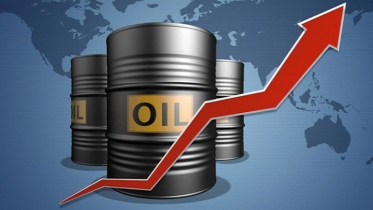
In a joint statement on Friday, they reiterated that the war was driving up the prices of both fuel and fertilizer, with the pressure falling most heavily on low-income countries.
“The rise in fertilizer prices is particularly worrying, as many countries are now entering the planting season,” they said.
At the IMF’s spring meeting, managing director Kristalina Georgieva said the war had reduced global growth prospects. She added that the crisis would require $200 billion to $500 billion in financial assistance for the poorest countries.
This week, the IMF said Bangladesh had requested a financial assistance package. It said discussions were underway to develop a program to help the country.
The war is having a wide-ranging impact around the world. Countries that rely on oil and gas imports from the Gulf region are particularly affected. Most countries in South and Southeast Asia fall into this category.
Fertilizer supplies have also been affected. Import-dependent countries are in a difficult situation. There are also major concerns about food security.
.png "Advertisement")